You’ve probably heard of the storied French footwear company Paraboot. A favorite of menswear nerds (including self-deprecating comedian Adam Friedland) and niche outdoorsy folks for decades. But you may not know that it has a sister brand called Galibier, which preceded Paraboot by five years. Both were the work of French shoemaker Rémy-Alexis Richard, who founded Richard-Pontvert in 1908 (Pontvert was his wife’s maiden name) and began making shoes under the “Chaussures Extra” label. Later, according to a Galibier insider, he decided to distinguish the studded models from the rest, whether they had wooden or leather soles, by creating the Galibier brand.
Galibier officially launched in 1922, making boots for alpinists and others who needed footwear built to last a lifetime. Paraboot followed in 1927, catering to people navigating city streets. I first came across Galibier on social media a few months ago, only to learn that the reason I’d never heard of the brand was that it had been dormant for more than 30 years before relaunching in 2025.
Why bring the brand back now? I was fortunate enough to speak with the brand to learn about the boots that defined its early years, how Galibier helped shape alpinism in the 1970s, why Norwegian construction remains essential to its footwear, and why, this time around, the brand is embracing the streets as well as the summit.
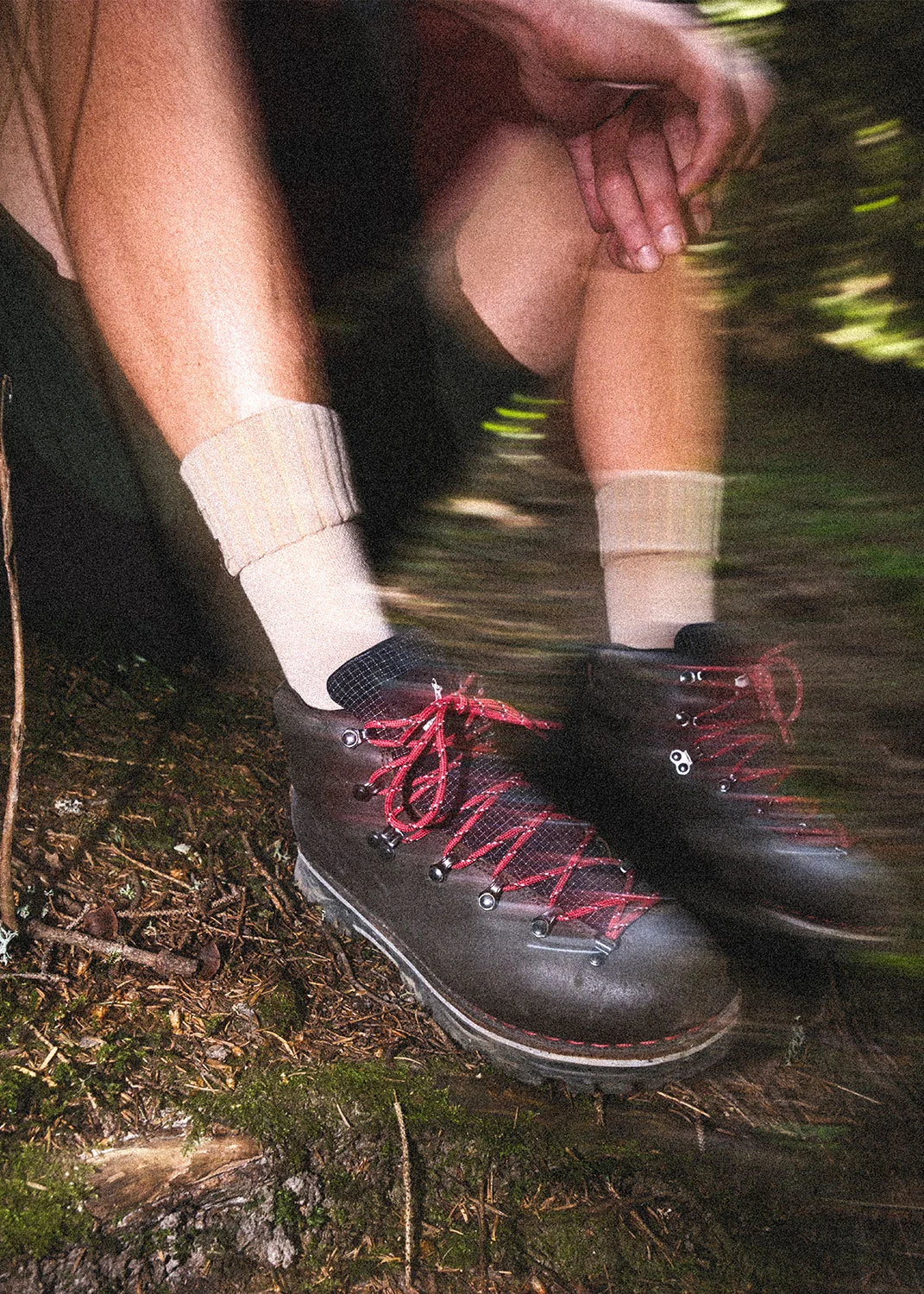
Galibier Super Rando
Revolutionizing Mountain Footwear
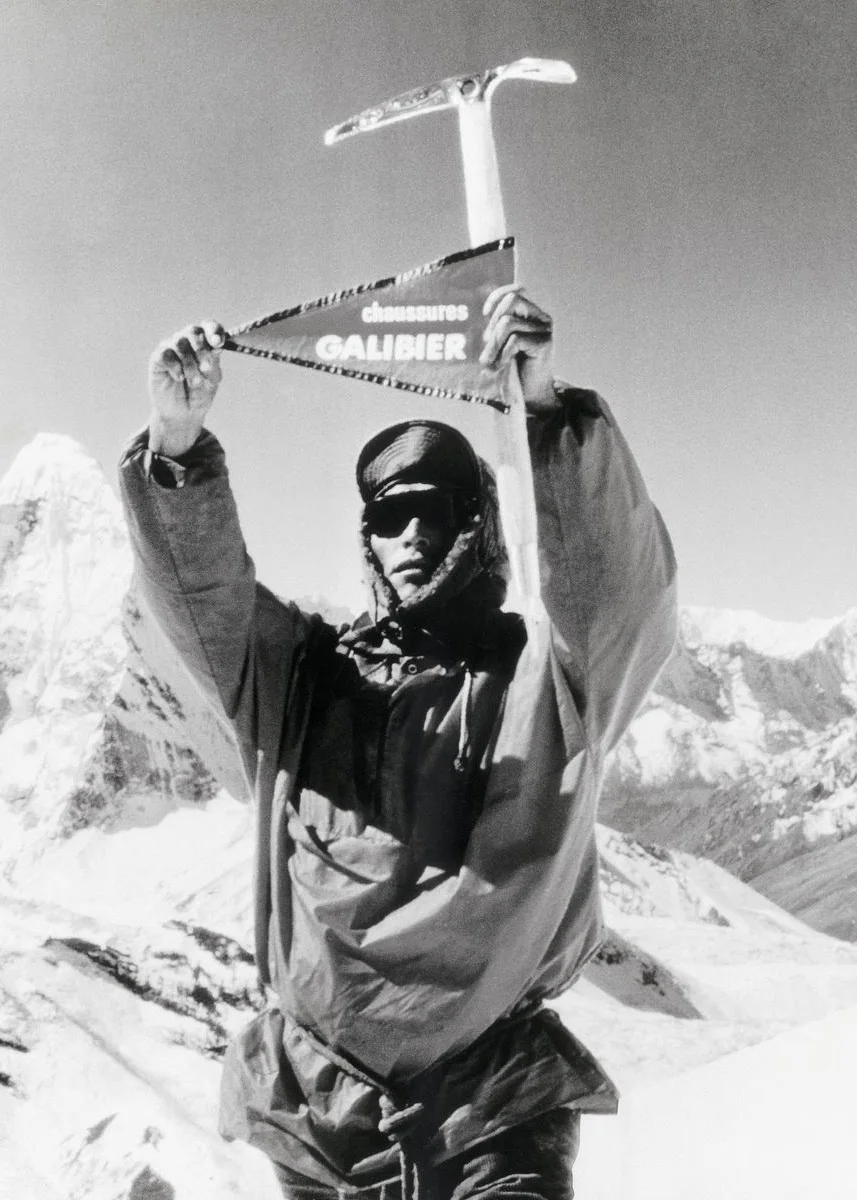
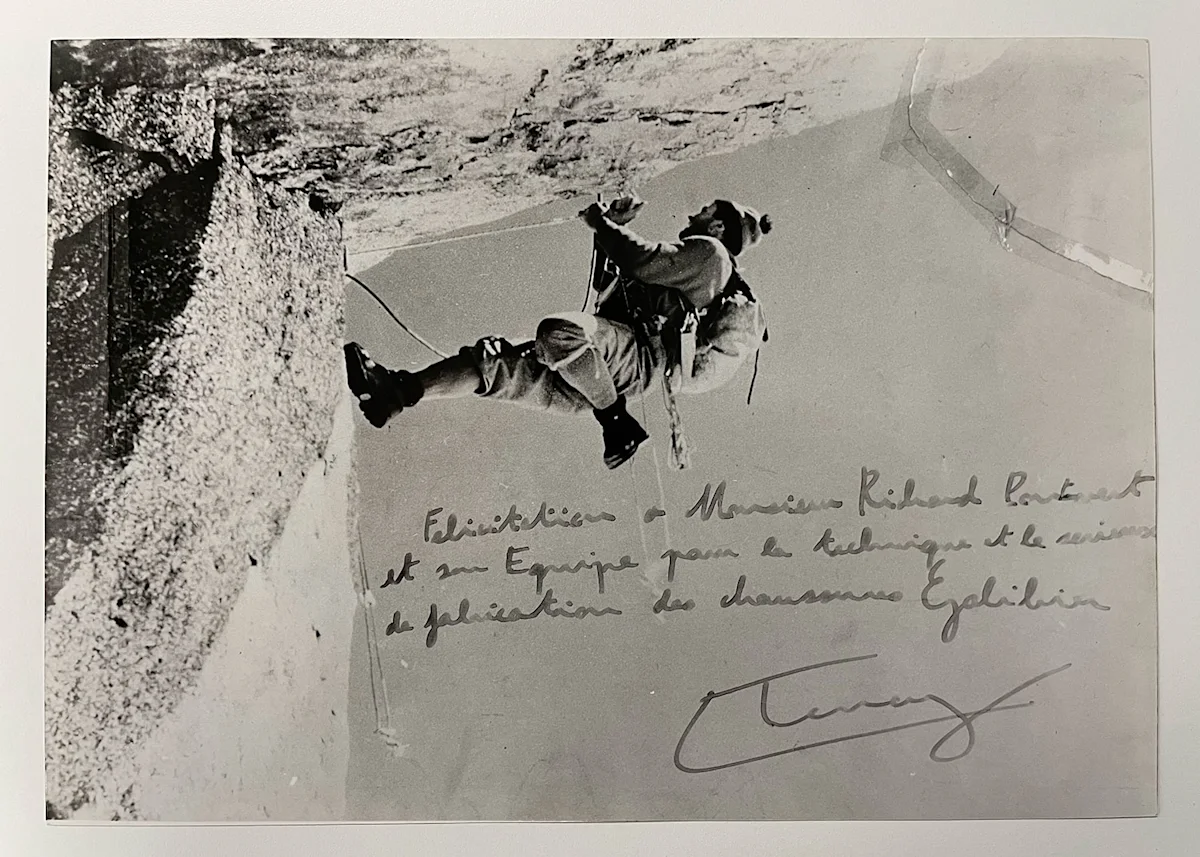
Although Rémy-Alexis Richard founded the footwear company, it was his son, Julien Richard, who took over in 1948 with ambitions to expand the business. Under his leadership, Galibier turned its attention to the outdoors, focusing on footwear for skiing, mountaineering, hiking, and climbing.
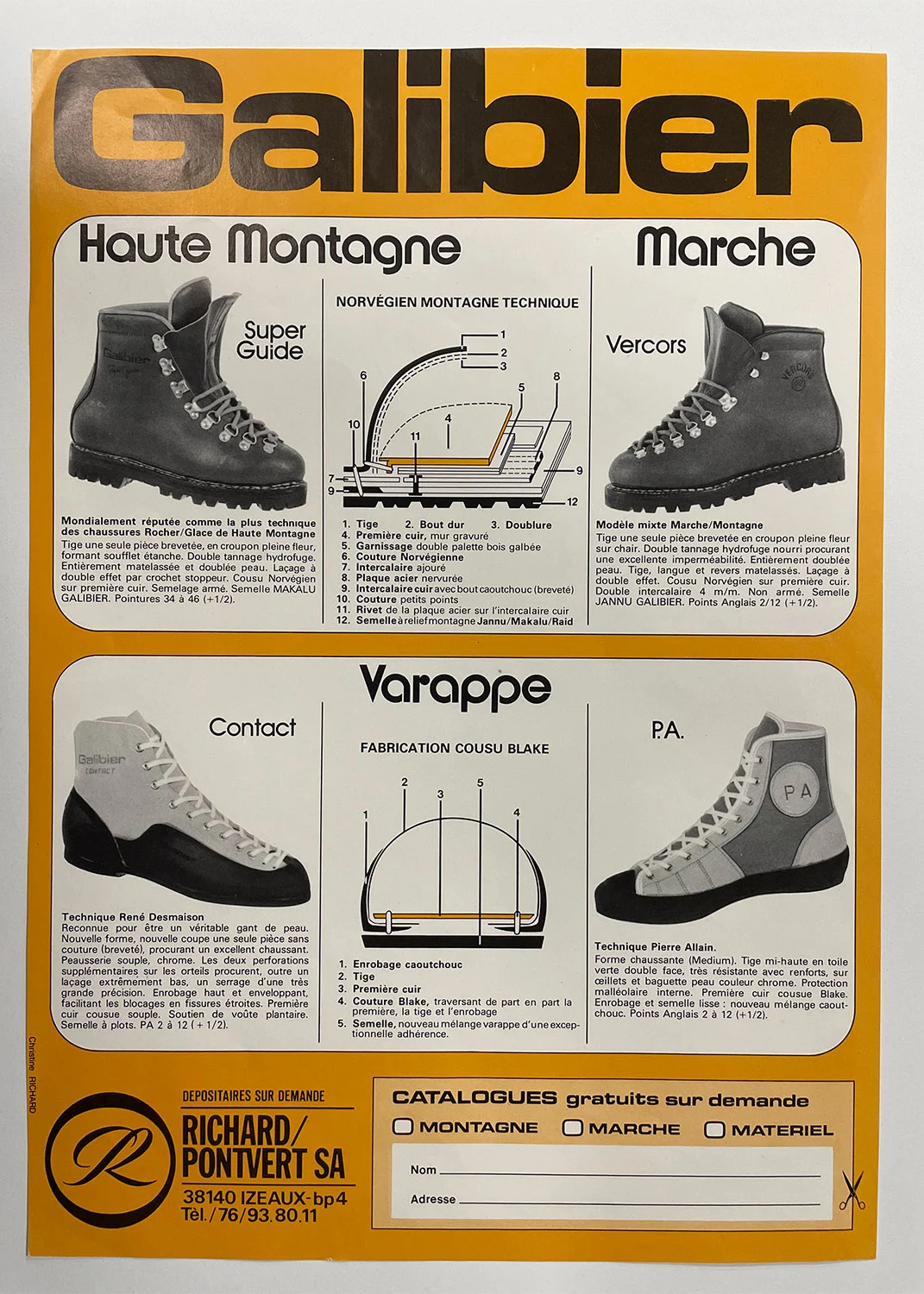
Two boots that would come to define both the company and its place in alpinism debuted in 1950: the Super Guide and the Super Rando. These models helped establish Galibier’s reputation, offering performance in both low- and high-mountain environments while remaining comfortable enough for year-round wear.
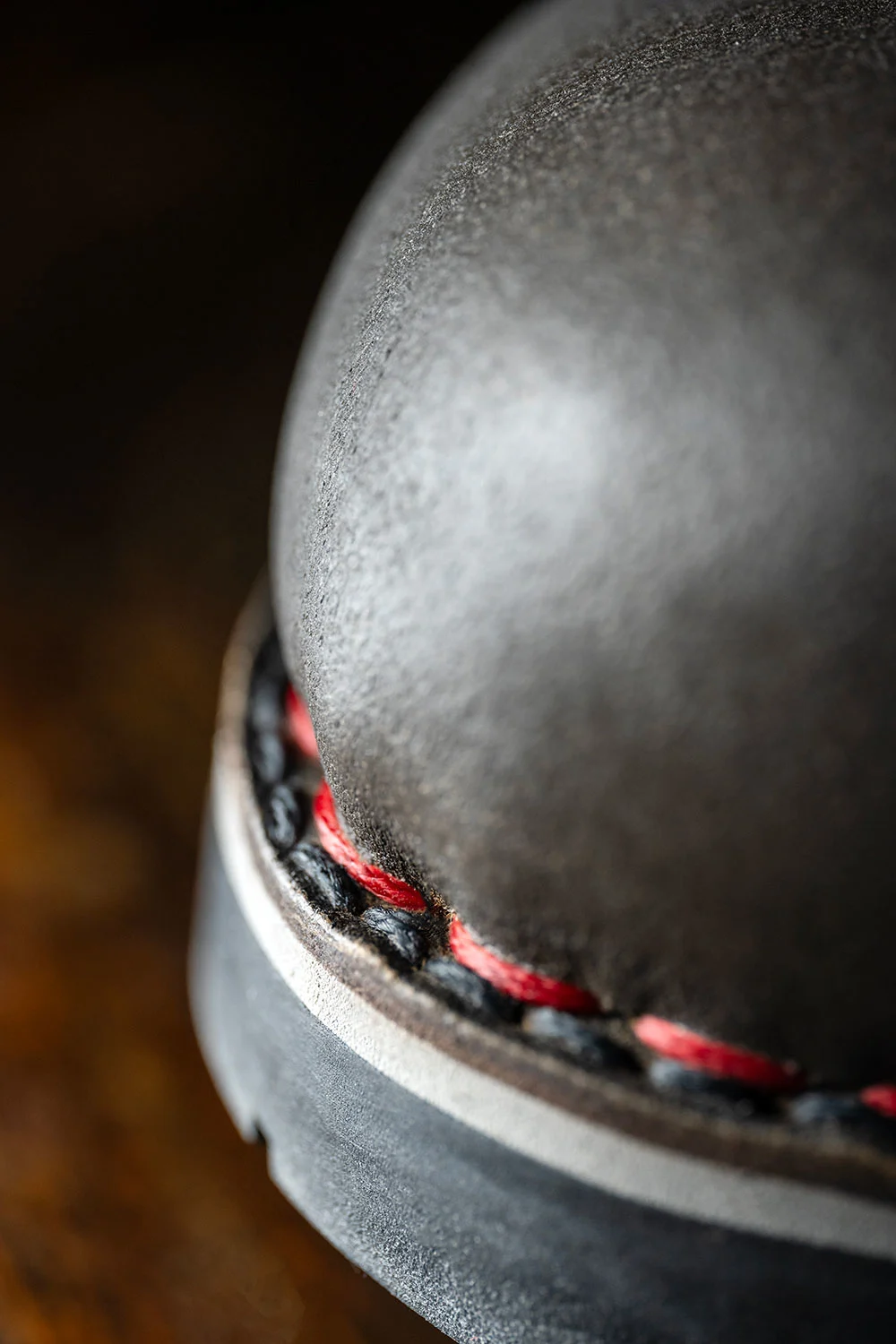
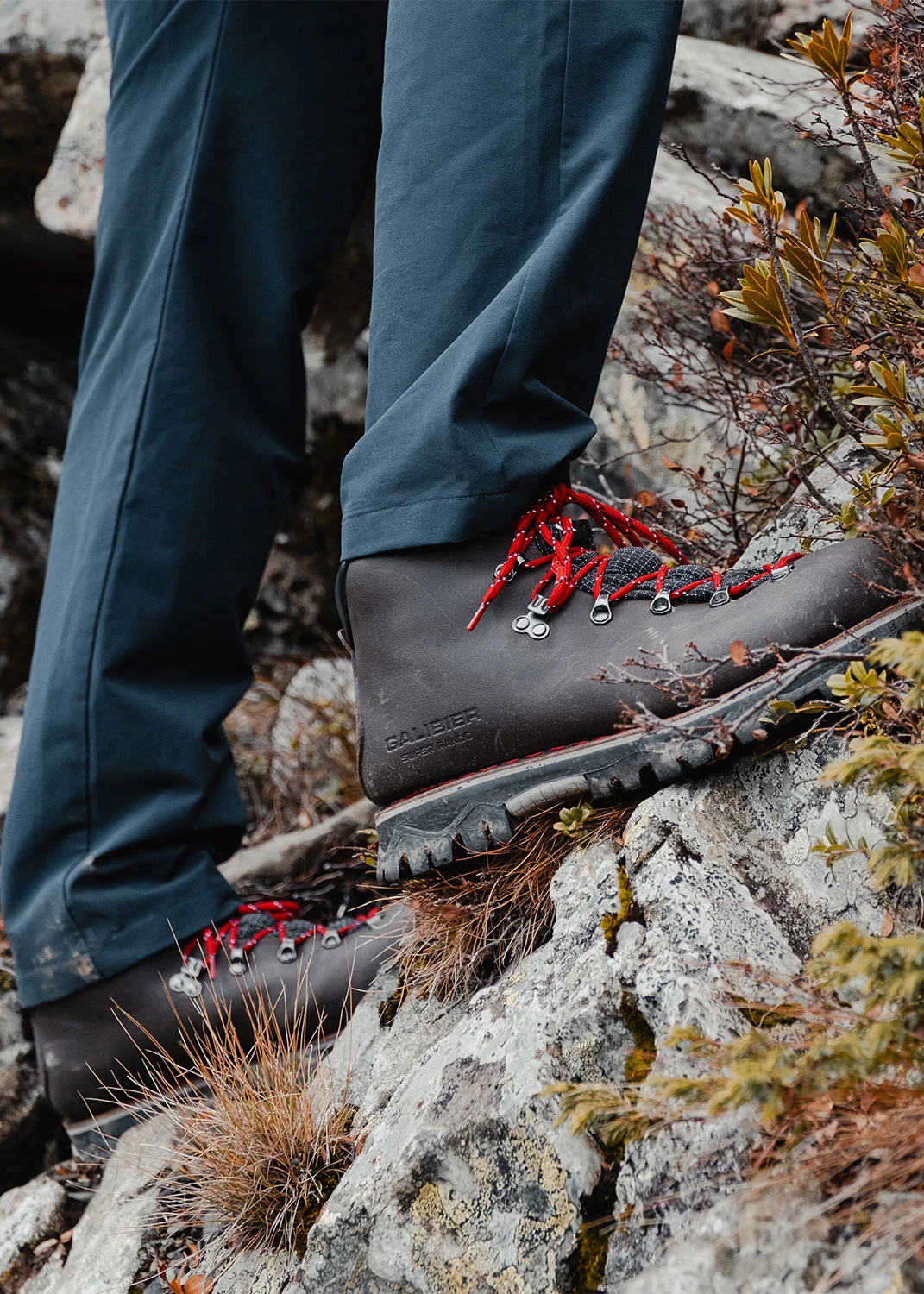
“The Super Guide and the original Super Rando were revolutionary at the time because of their construction: boots made entirely from thick, 3.4-millimeter full-grain leather, with a rigid, resoleable outsole reinforced by a metal shank and compatible with crampons,” says Galibier.
That emphasis on longevity remains central to the brand’s identity. Galibier says they are still amazed to hear stories of customers who purchased their boots 70 years ago, had them resoled a couple of times, and continue to wear them today.
Both models have evolved to incorporate new technologies like a Vibram SpringLug with a Durastep rubber shell for traction and protection. A polyurethane foam inner for comfort, along with a Sympatex membrane, helps ensure that the shoes and boots are weather-resistant and meet the changing demands of mountain activities; Galibier’s underlying commitment remains unchanged. The goal is to make “reliable and performant (and stylish) boots you can keep for a long time.”