Inside Gore-Tex HQ, to See How the Best Waterproof Running Shoes Are Made

Inside Gore-Tex HQ, to See How the Best Waterproof Running Shoes Are Made

Author Photographer
  • Bob Myaing

On a tour hosted by Hoka, we received a rare look behind the curtain of the world's best-known name in waterproofing—here's what we saw

Published: 10-07-2026

Field Mag may receive a minor commission from purchases made via affiliate links.

The benefits of Gore-Tex are well known. The company is the Kleenex of waterproofing, improving not just outerwear but footwear, too. It isn't the simplest thing to add a waterproof membrane to a running shoe that a team of designers has fine-tuned for performance with tight specs for weight and breathability, though. During a recent tour of Gore’s EM5 facility in Elkton, Maryland, where the company houses an advanced environmental chamber and biophysics lab, I learned that a close partnership between each footwear brand and Gore is key to making a good waterproof shoe.

On a previous visit, we explored the Gore-Tex Archive to see outerwear that changed the outdoor industry. This time, our invite was focused on the present and future, rather than the past, with Hoka playing host. The footwear brand has worked with Gore to develop trail and road running shoes with a closeness few other brands have achieved.

Hoka’s design team has even gone as far as to share its lasts with Gore engineers—a true indication of trust as lasts are wildly proprietary product DNA which footwear brands go to great lengths to protect. In Elkton, I saw how the Gore relationship works firsthand, leading to products like the new Clifton 11 GTX, Speedgoat 7 GTX, and Speedgoat 7 Hike GTX—plus countless others across the outdoor space.

Though I was already aware of Gore-Tex’s popularity in military apparel through licensed partners and contractors to the U.S. military, it was enriching to hear that their textile technologies also support the firefighting industry in handling high heat and moisture, and the relationship between the two. As an outdoor gear editor, I was even more surprised to learn that product Gore manufactures for medical and aviation industries make up significant parts of its business. Technical waterproof jackets and trail shoes might be how most of us experience the company’s goods, but they're just a small sampling of its impact across multiple industries.
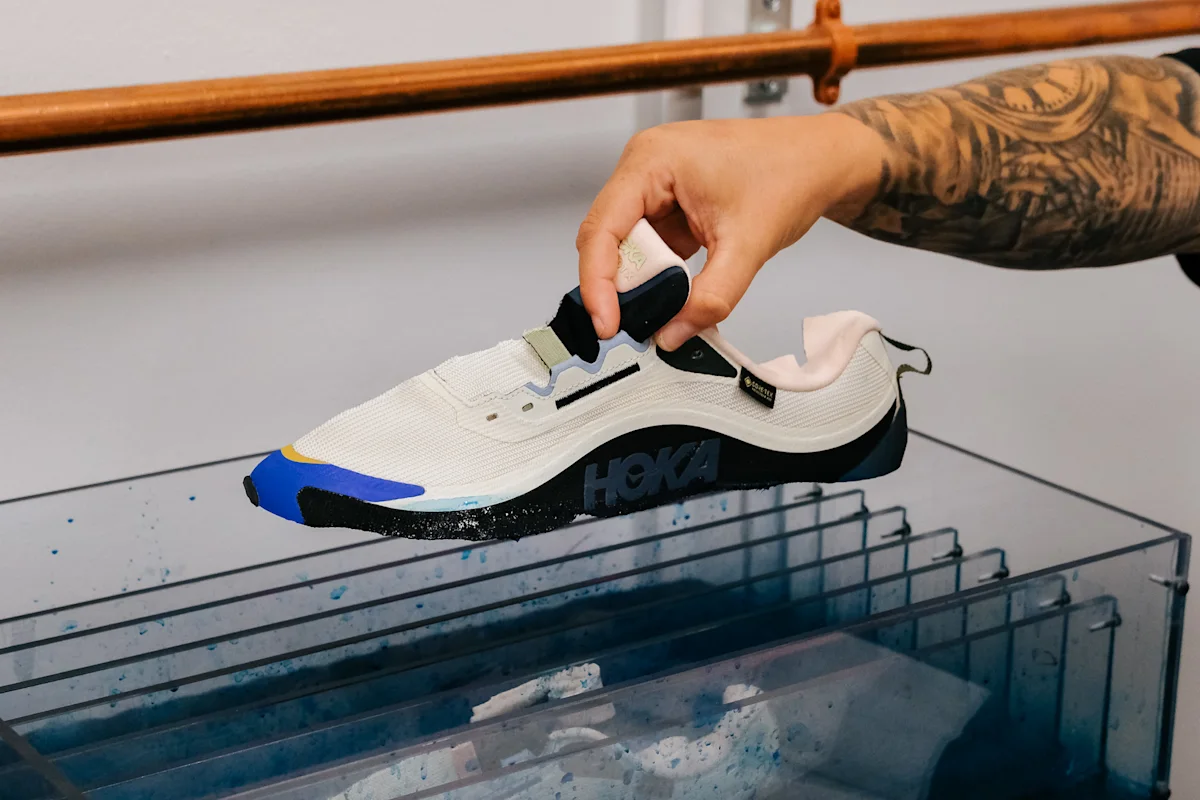
gora-hoka-wicking

Wick testing ensures upper materials resist transferring moisture up the shoe and over top of the Gore-Tex lining

How Does Gore-Tex Work?

Before diving into the cool things I saw at EM5, it’s worth taking a moment to explain what Gore-Tex is and how it works. If your algorithm is anything like mine, you’ve watched someone on TikTok or Reels stand in a shower and dump a bucket of water over themselves to show you how the water “just beads right off” their Gore-Tex shell. The reality is that what you’ve just watched is a demonstration of a durable water repellent (DWR) treatment applied to the face textile, and not the Gore-Tex laminate itself.

The laminate is made of expanded polyethylene, aka ePE, is a thin, PFAS-free membrane that lets water vapor from perspiration pass through while preventing larger liquid water molecules (rain, snow) from penetrating. Body vapor goes out; rain never gets in. (Quick recap: PFAS are a class of synthetic chemicals that never break down, and while they aren't intentionally added during the manufacturing process. Gore cautions that certain substances used during production may contain trace amounts of PFAS.)

But a Gore-Tex membrane by itself isn’t something you can just throw on your body and walk into a rainstorm with, which is why Hoka and other partner brands integrate a laminate that sandwiches the membrane between an outer face textile and an inner lining. In footwear, the inner lining serves to provide soft, sock-like comfort against your foot, while the outer face fabric is a more durable material treated with a DWR.

gore-hoka-fenice

Inside the Gore-Tex Lab

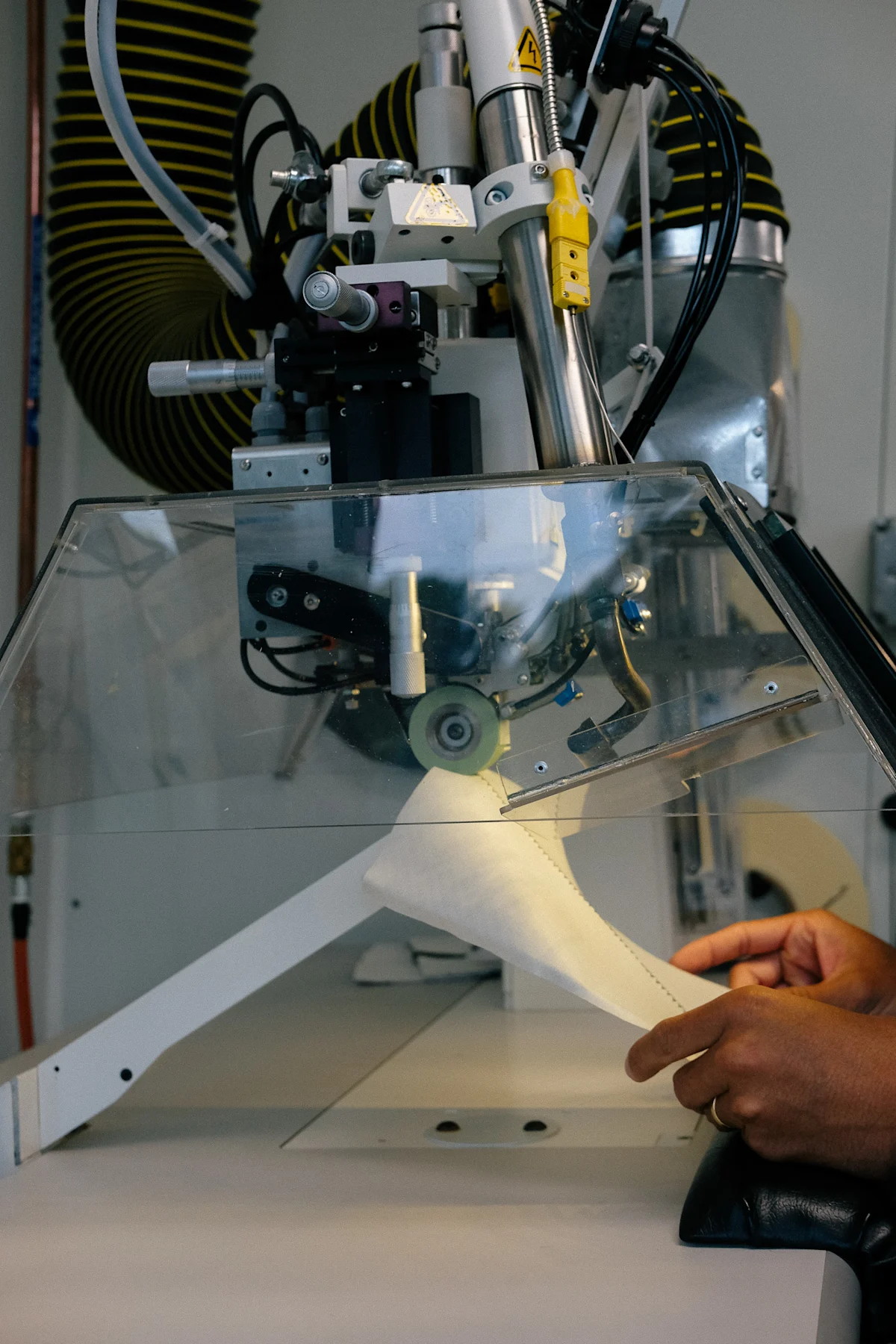
Visiting Gore’s Fenice Lab, I was greeted by a space outfitted with every single piece of equipment a factory producing licensed Gore-Tex footwear would need to produce the waterproof shoes. There was a computer-controlled plotter to cut yardage, an intimidating machine from Italy that finishes the seams of a shoe’s upper materials, and of course, Gore’s own seam tape sealing machine that heats air to over 600ºF to mate waterproof tape to Gore-Tex booties and garments.

With these machines (and many others), Gore’s engineers have the tools at their fingertips to fine-tune Hoka’s designs and ensure goals are met throughout the production process. With several fixtures on-hand to test one-of-one prototypes assembled in the lab, Gore staff can measure breathability, durability, and waterproofness (naturally).

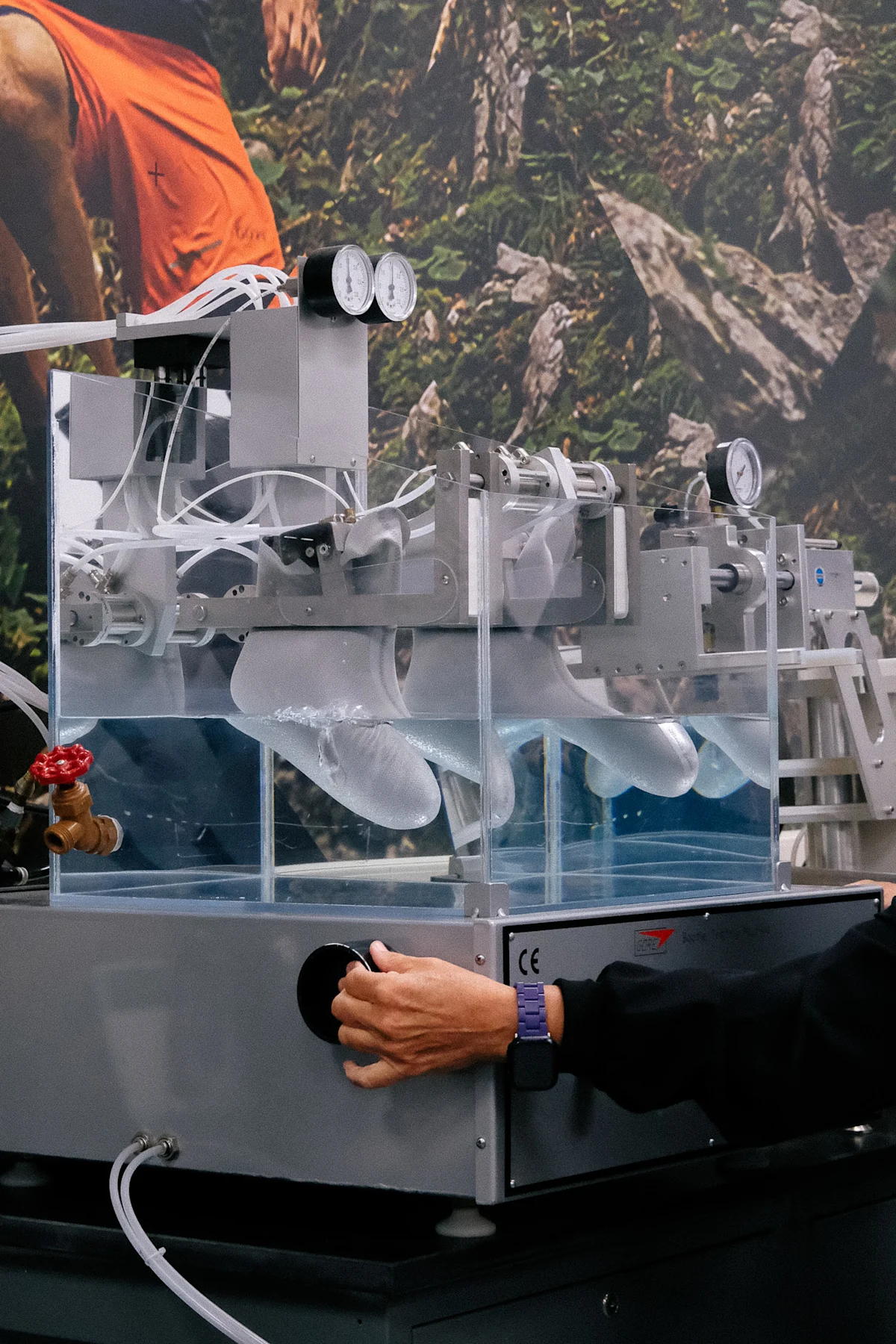
The walk through Gore’s lab was like a trip to the technical footwear version of Willy Wonka’s chocolate factory. Hydraulic machines dunked Gore-Tex booties to expose leaks in construction, motorized feet bent prototype shoes to simulate a lifetime of wear, and a machine of Gore’s own design puffed out a blast of air to seal the seams on Gore-Tex laminates. I’ve had the opportunity to experience similar spaces that develop cycling and angling products, but the Fenice Lab was operating on a higher plane of precision.

gore-hoka-weld

Test driving the Gore-Seam Tape Sealing Machine in the Fenice Lab

gore-hoka-bootie

A demonstration of the Gore Bootie Testing Machine

Creating an Invisible Fit

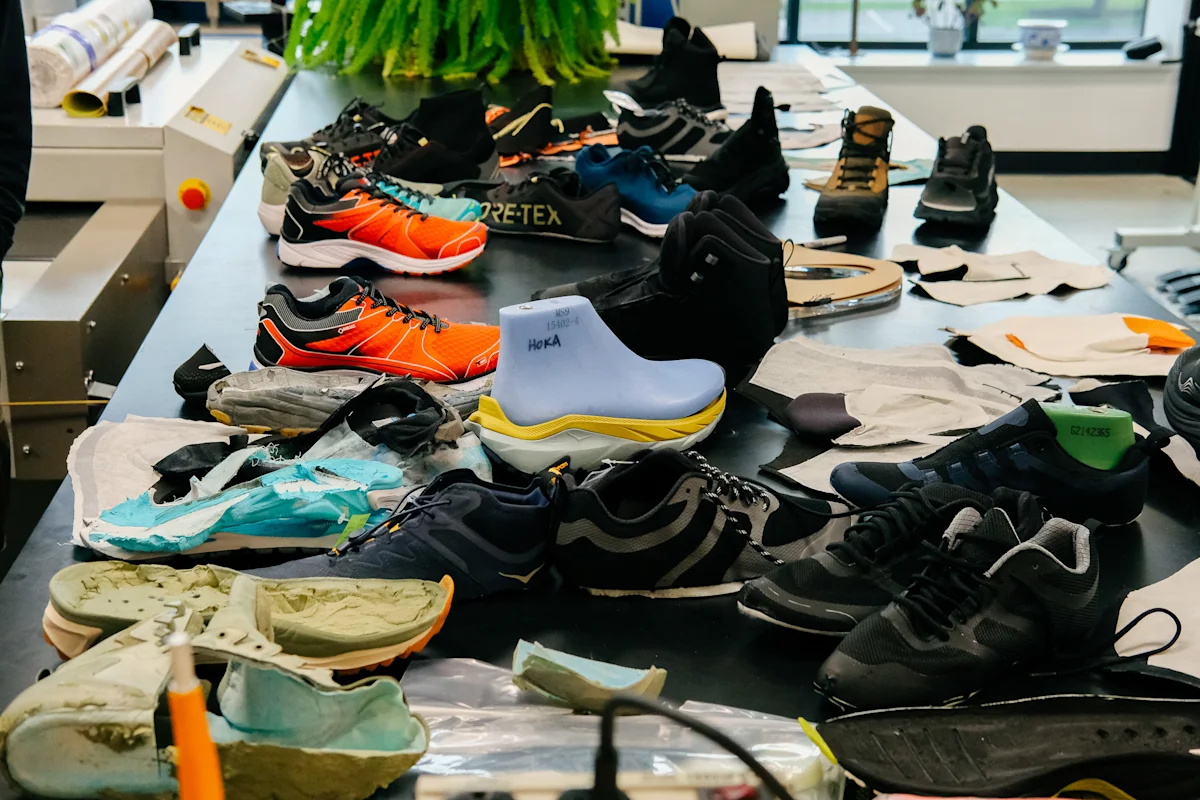
For our tour, Gore technicians had assembled a smattering of Hoka shoes they had a hand in developing. Piled on a table were previous generations of Hoka running and hiking footwear in various states of development and completion. Some were nowhere near fully formed; others were torn to shreds from use—good beta for improving design. Alongside them lay components and cross-sections of the recently updated Clifton 11 GTX and Speedgoat 7 GTX.

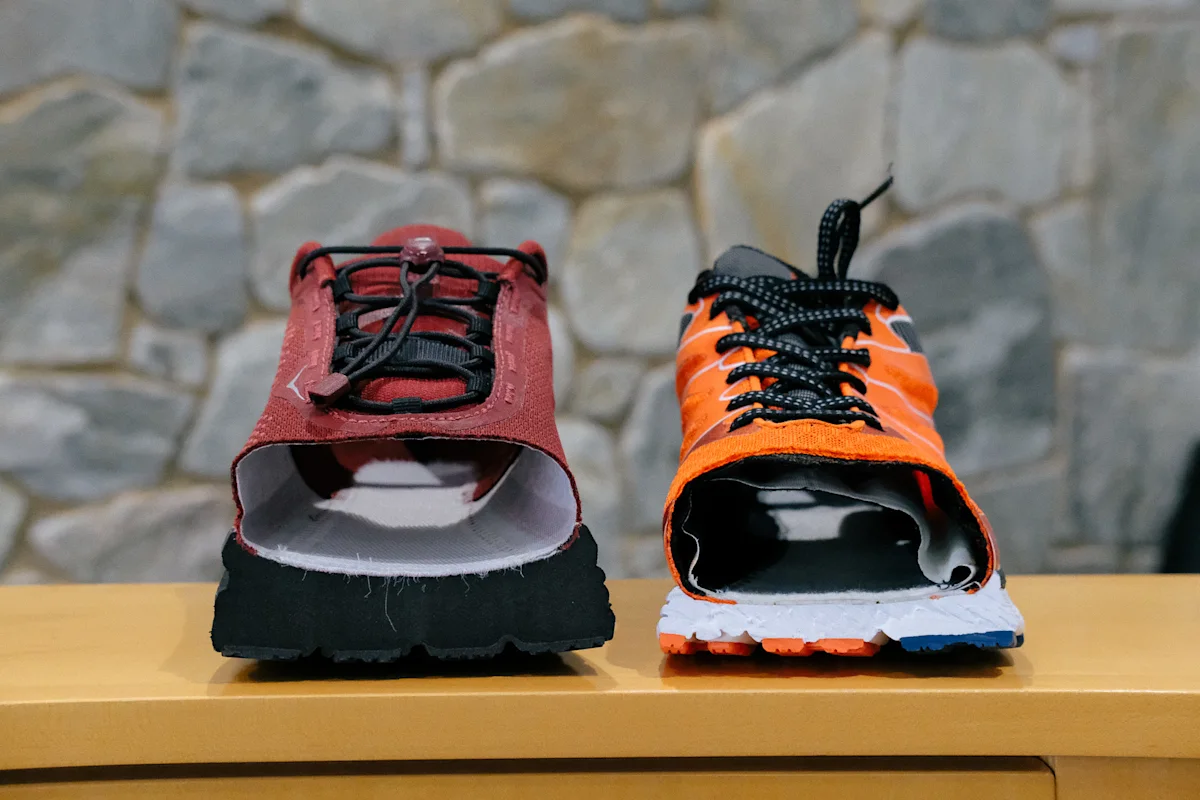
Sewing a bootie formed from Gore-Tex laminates into shoes and boots has long been the go-to construction standard for Hoka and other licensed footwear brands. With the development of Gore’s Invisible Fit construction method in 2017, flat sections of the laminate are attached directly to the shoe’s upper panels, providing an improved fit and reducing excess bulk compared to more typical bootie construciton—and bulk is the nemesis of breathability in footwear. Your foot has over 100,000 sweat glands, and the less material there is, the better a Gore-Tex membrane is at moving sweat vapor from inside your shoe to the outside.

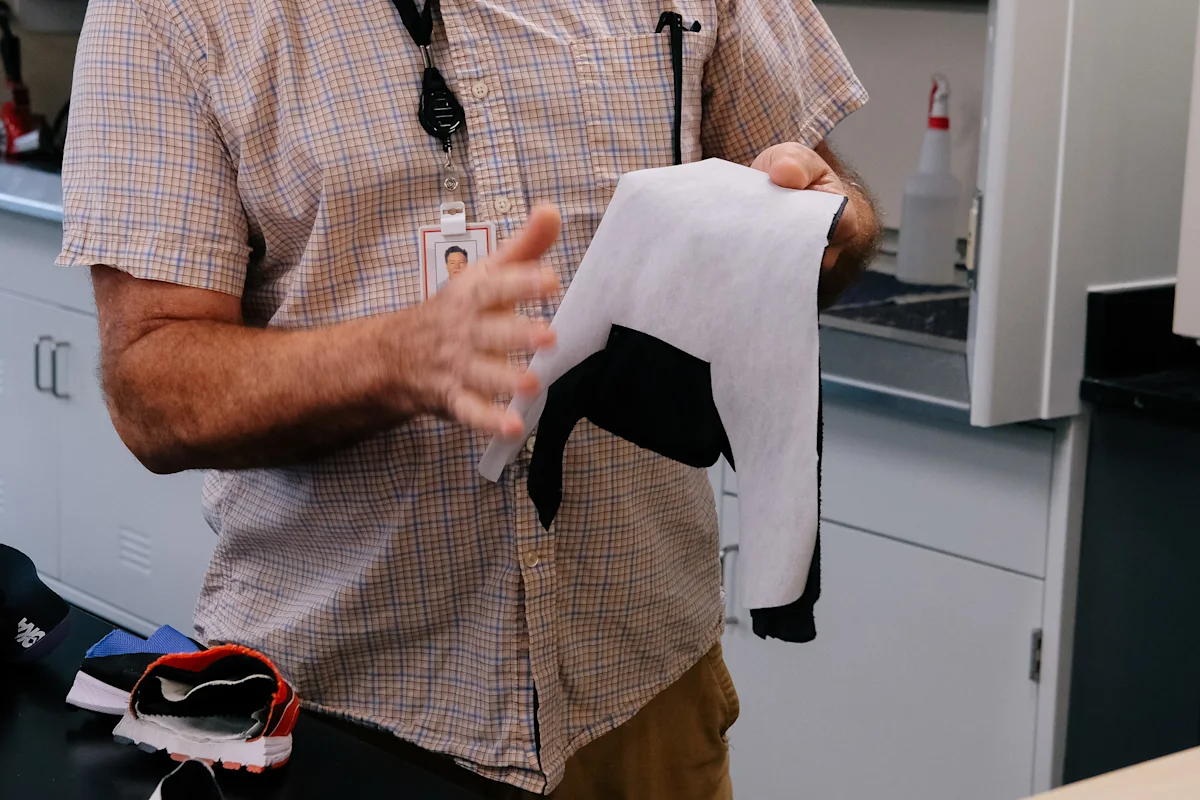
gore-hoka-pattern

A patterned cut of Gore-Tex Invisible Fit laminate ready to be attached to a Hoka Speedgoat 7 GTX upper

gore-hoka-invisible

Gore-Tex Invisible Fit construction (left) and Gore-Tex bootie construction (right), in two different Hoka models

But integrating Invisible Fit isn't simple plug-and-play.

A close working relationship streamlines Hoka’s 18-month product development calendar by involving Gore early in the design process. Rather than developing a shoe design and then seeing how Gore can fit its products into it, Hoka designers begin to work alongside Gore engineers in early stages to refine design and construction methods and provide quick testing feedback throughout the development process. The relationship doesn’t just end when the shoebox hits the shelves either. Hoka keeps an open channel with Gore to share detailed product feedback once the finished product is in-market, a time and place where other brands may choose to keep information closer to home.

In the end, runners and hikers (and the many, many people who wear Hokas as their everyday shoes) get a product that's been thoroughly vetted through a close partnership and is backed by research, design, and testing. Don't bother wearing them in the shower for views; just go outside and run through a puddle or two.

The military and industrial complex and outdoor gear industry have an interesting relationship, learn more about it in our interview with Avery Trufelman, host of podcast Articles of Interest.