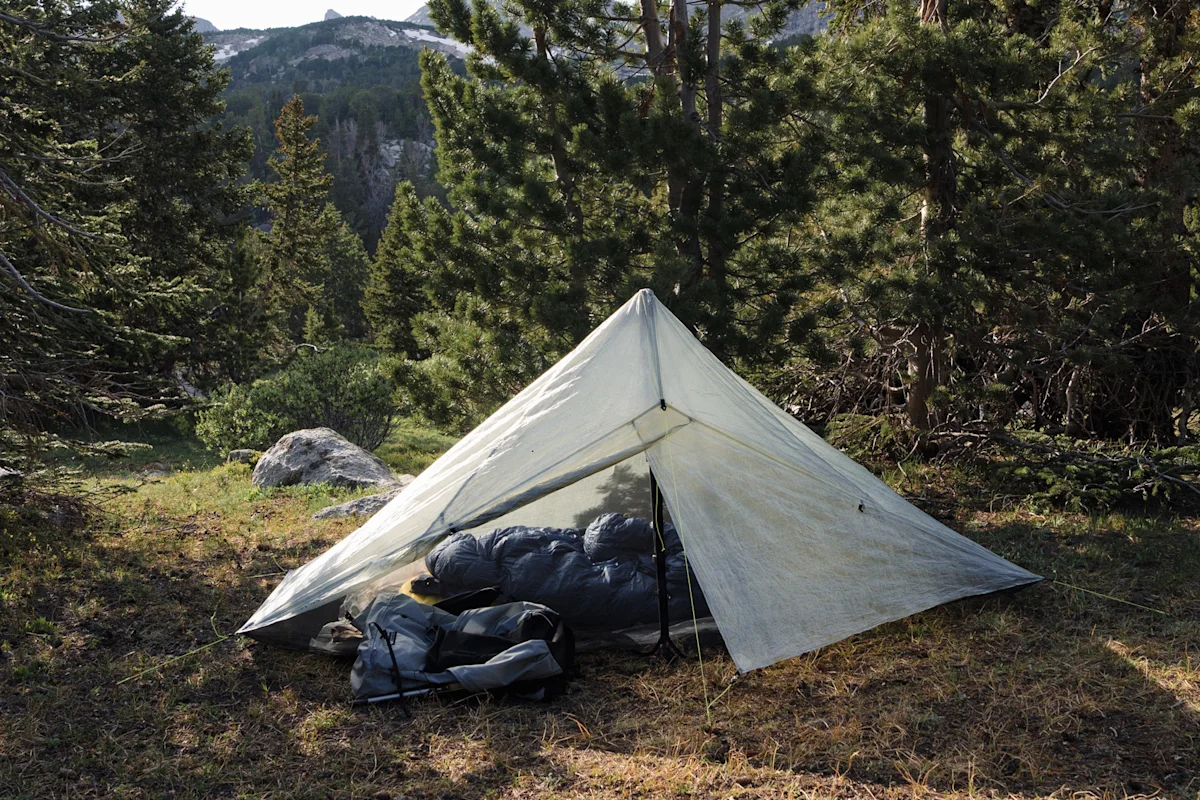
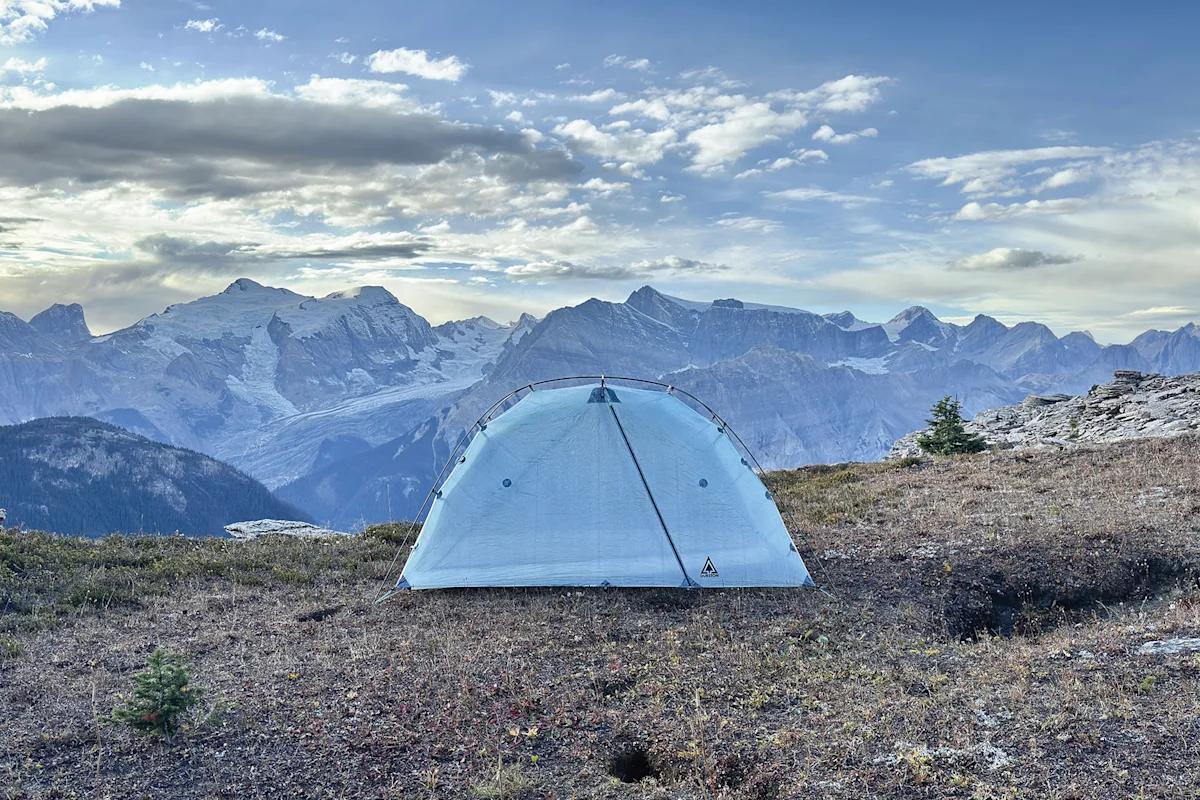
Dan Durston wanted to make a freestanding tent for almost as long as he's been making shelters. But he began work on his X-Mid, a shelter supported by trekking poles that has become wildly popular among ultralight hikers, first. Durston knew the same design concepts he used would apply well to a freestanding shelter too—someday. Eventually, he worked them into the X-Dome, a family of one- and two-person freestanding tents made of silpoly and Dyneema. The X-Dome tents kept the offset floorplan and roomy interior that helped make the X-Mid famous, and Durston designed it to pitch fly-first for rainy days, a feature that was long overdue in double-wall shelters.
On 17 November 2026, Durston released a larger run of the X-Dome Pro 1+, a freestanding, one-person Dyneema tent that was first launched in July 2026 in a very small batch that won awards and sold out in minutes. Those who weren’t able to get one from the limited drop and the freestanding-curious will want to get their bots in order if they want to get the tent this time around.
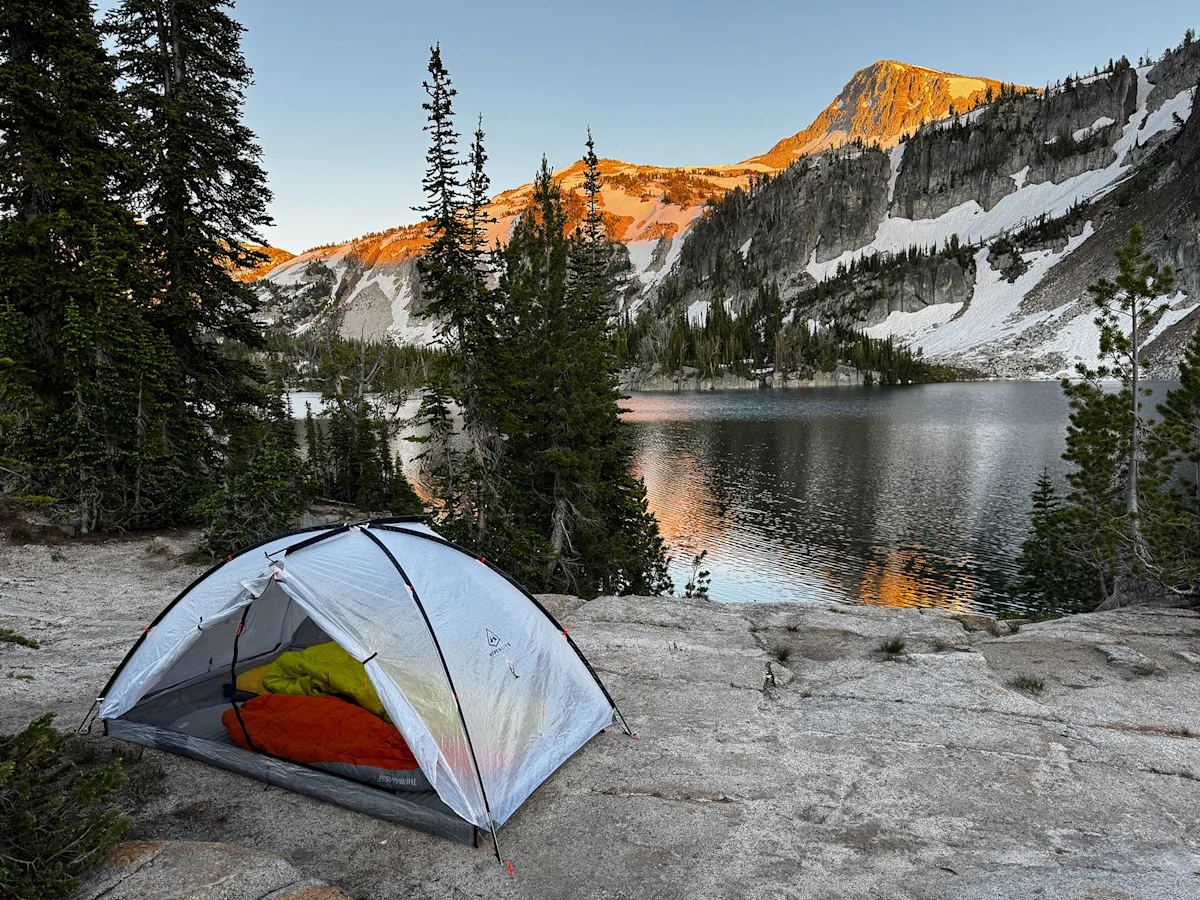
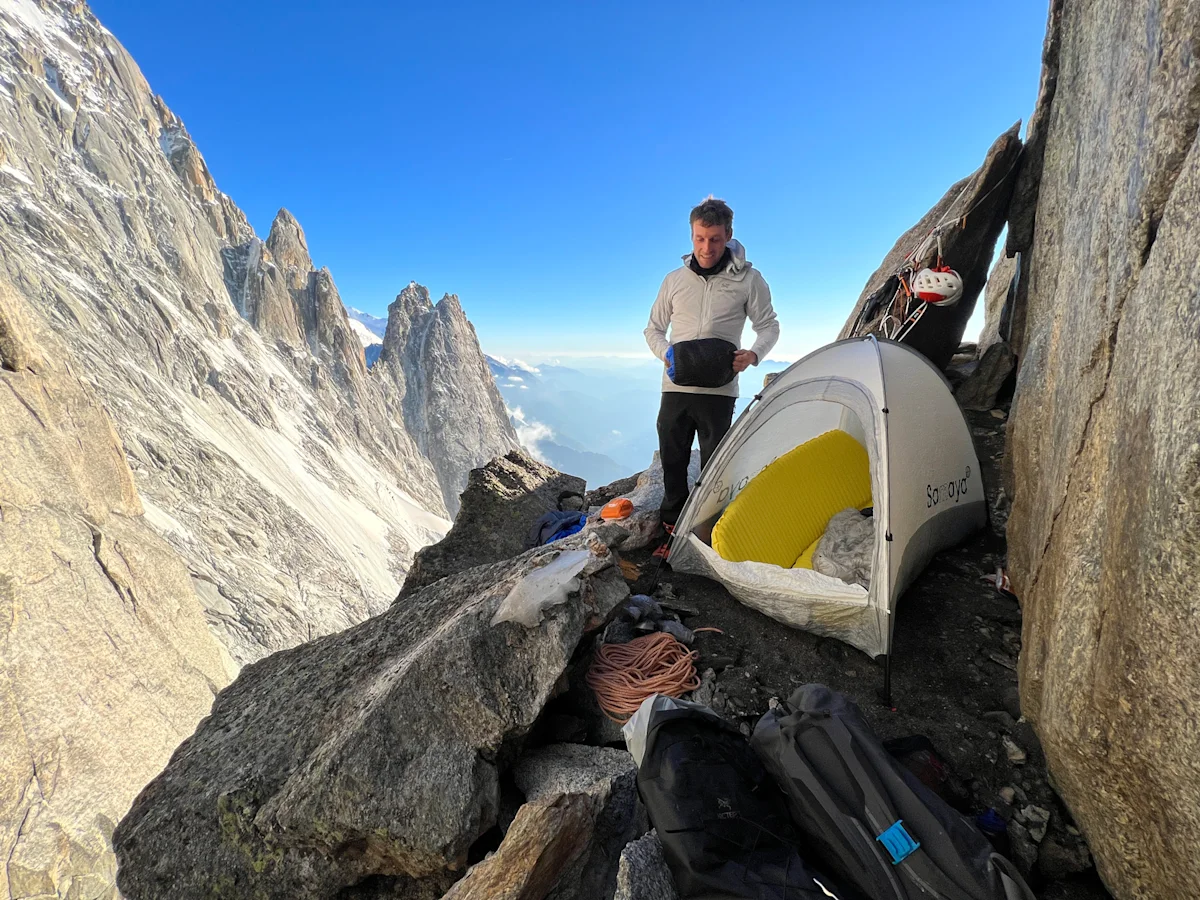
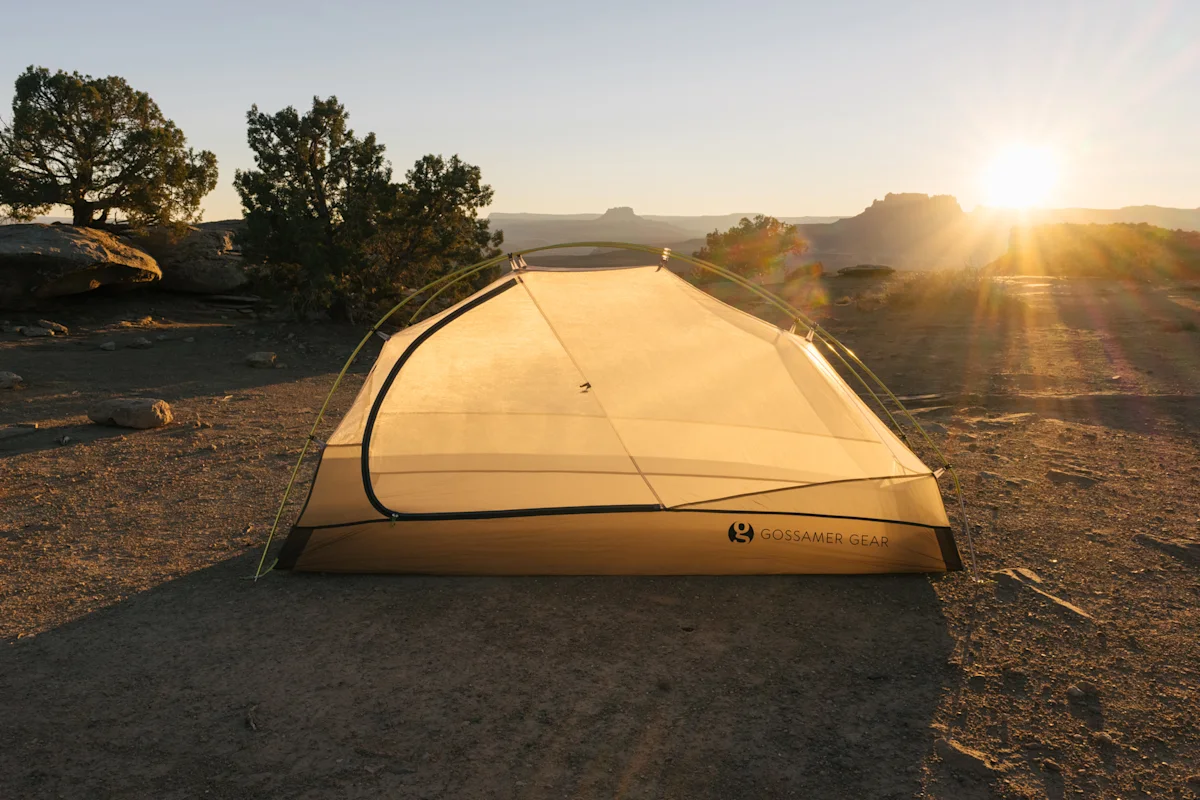
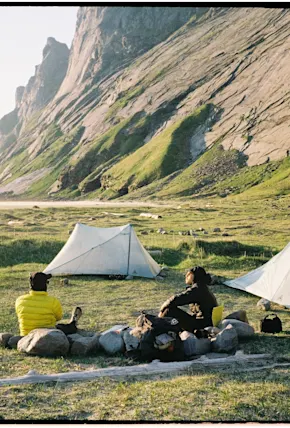
Durston isn't alone in the UL crowd with his recent focus on the freestanding market. For 25 years, ultralight cottage brands have largely eschewed them in favor of shelters supported by trekking poles and tent stakes. Yet since 2024, five brands have produced their own dome tents in rapid succession. This past June, Gossamer Gear released The Free, a one-person tent that beat the record for lightest freestanding shelter at 29.8 ounces. Hyperlite Mountain Gear and Zpacks both released 2P Dyneema tents. And before anyone else, TarpTent was dabbling in a variety of freestanding-adjacent systems and released the four-season ArcDome in September 2024.
For a corner of the industry that spent two decades preaching non-freestanding shelters and tarps, that's a lot of carbon poles popping up in a short time span. I reached out to the brands behind these tents to ask what changed, and why so many of them landed on the same idea at the same time.