Lead image by P.Verticale courtesy Hoka
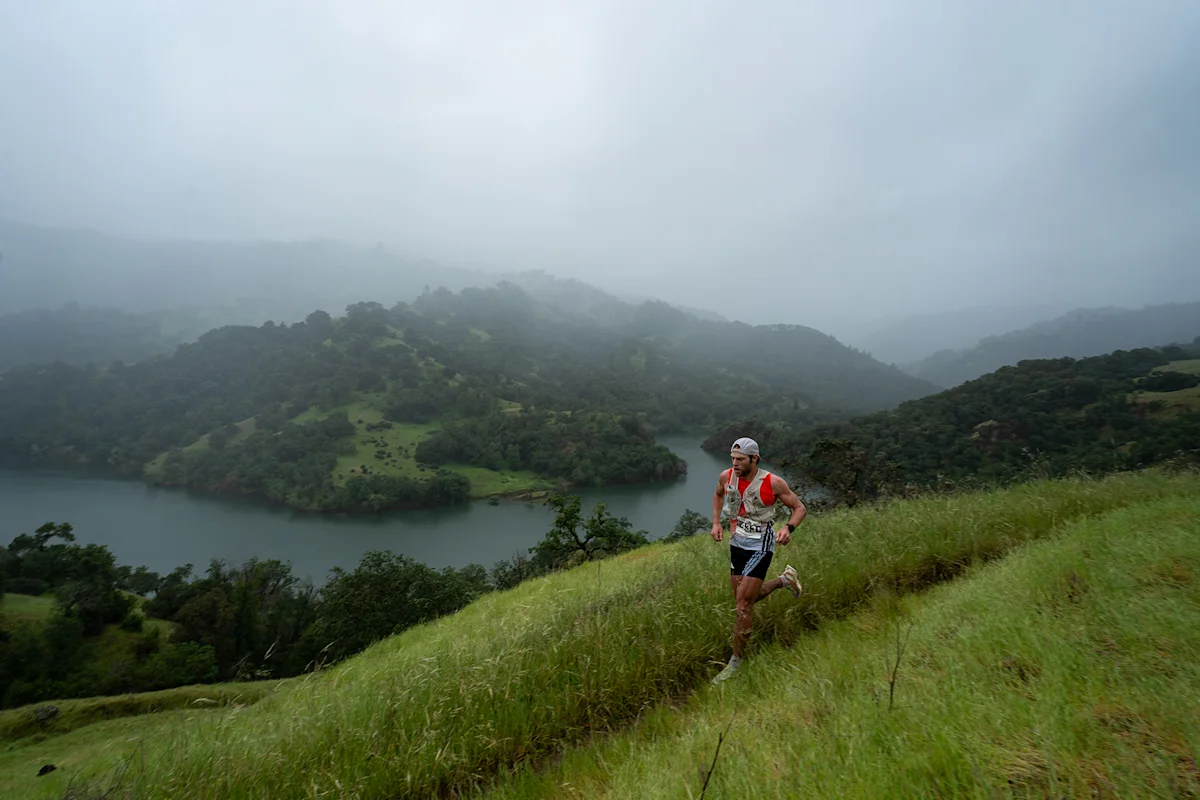
By the time I headed up the last, steep 500-foot climb through a scrubby oak forest and emerged onto the windswept knoll at the highest point along the Lake Sonoma Trail Sisters Half Marathon course, I was caked in mud. A storm system had come through that morning, but the rain mostly held off while I ran through the rolling green hills overlooking Lake Sonoma reservoir, a branching body of water in the middle of northern California wine country. But as I made my way down the final stretch, the rain started coming down harder.
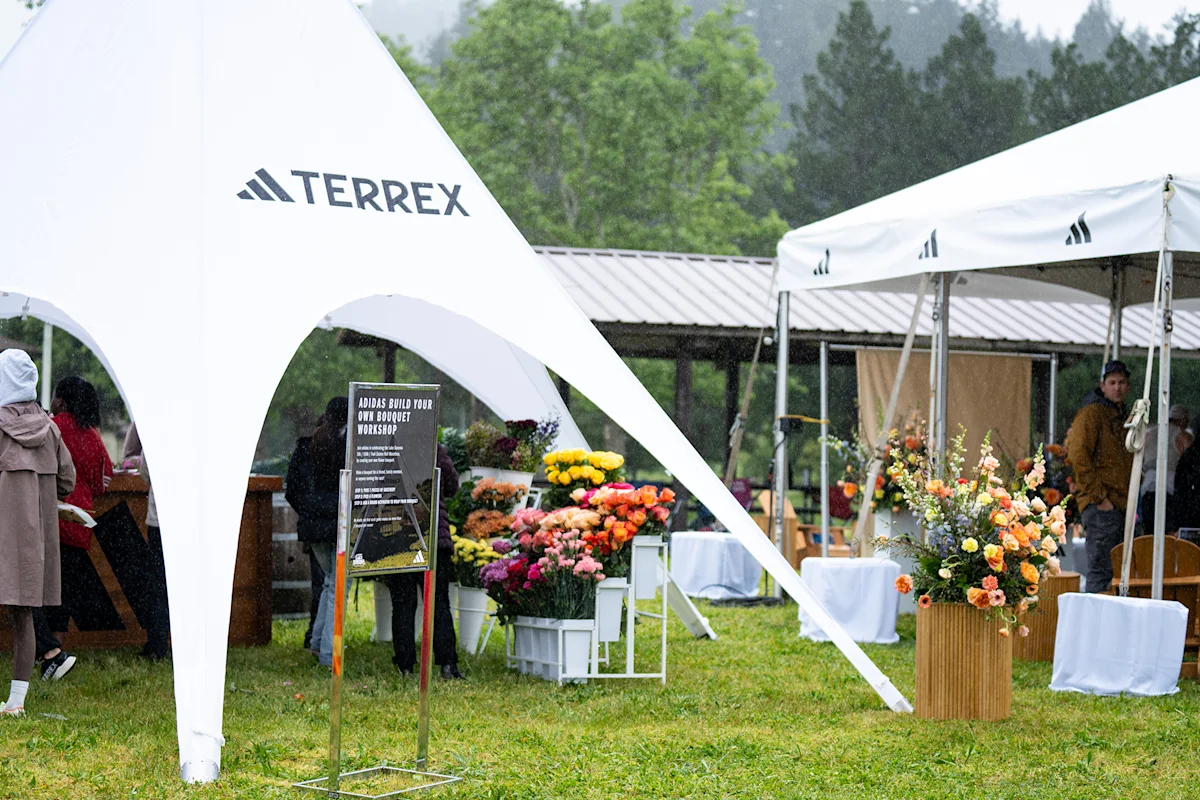
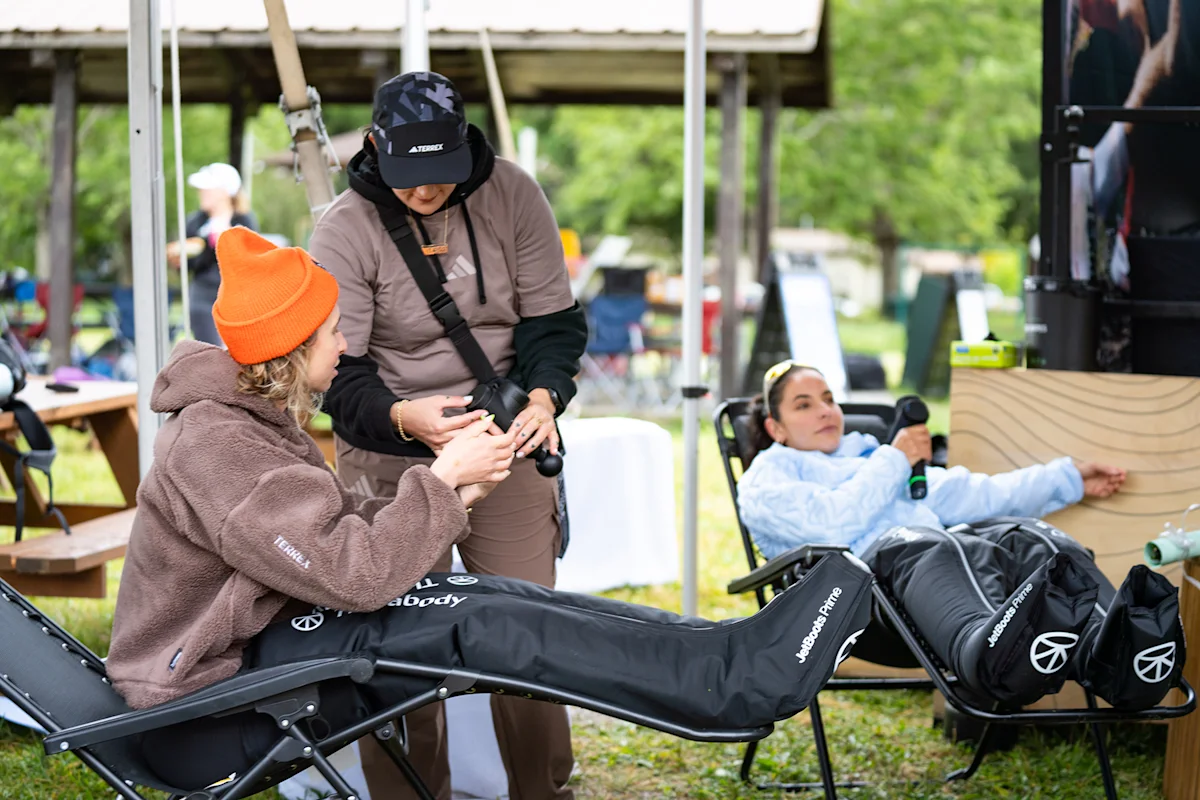
When I crossed the finish line, the downpour couldn’t ruin the mood. The announcer called out my name and the DJ blasted house music. Waiting for me was my friend, holding a bouquet of flowers she had arranged herself at the dedicated flower arranging tent Adidas had set up nearby. Bartenders were slinging free beers from a local brewery, Old Caz, so I grabbed one, then scarfed down some complimentary wood-fired pizza at Happy Cat Pizza Co’s booth, where apparently, the team made over 900 pizzas during the 36-hour event. I wandered over to the recovery area, where I kicked off my Agravic Speed Ultras and joined the rest of the group of media and content creators Adidas had invited to the race, whose hamstrings and calves were being squeezed by full-length Normatec compression boots.
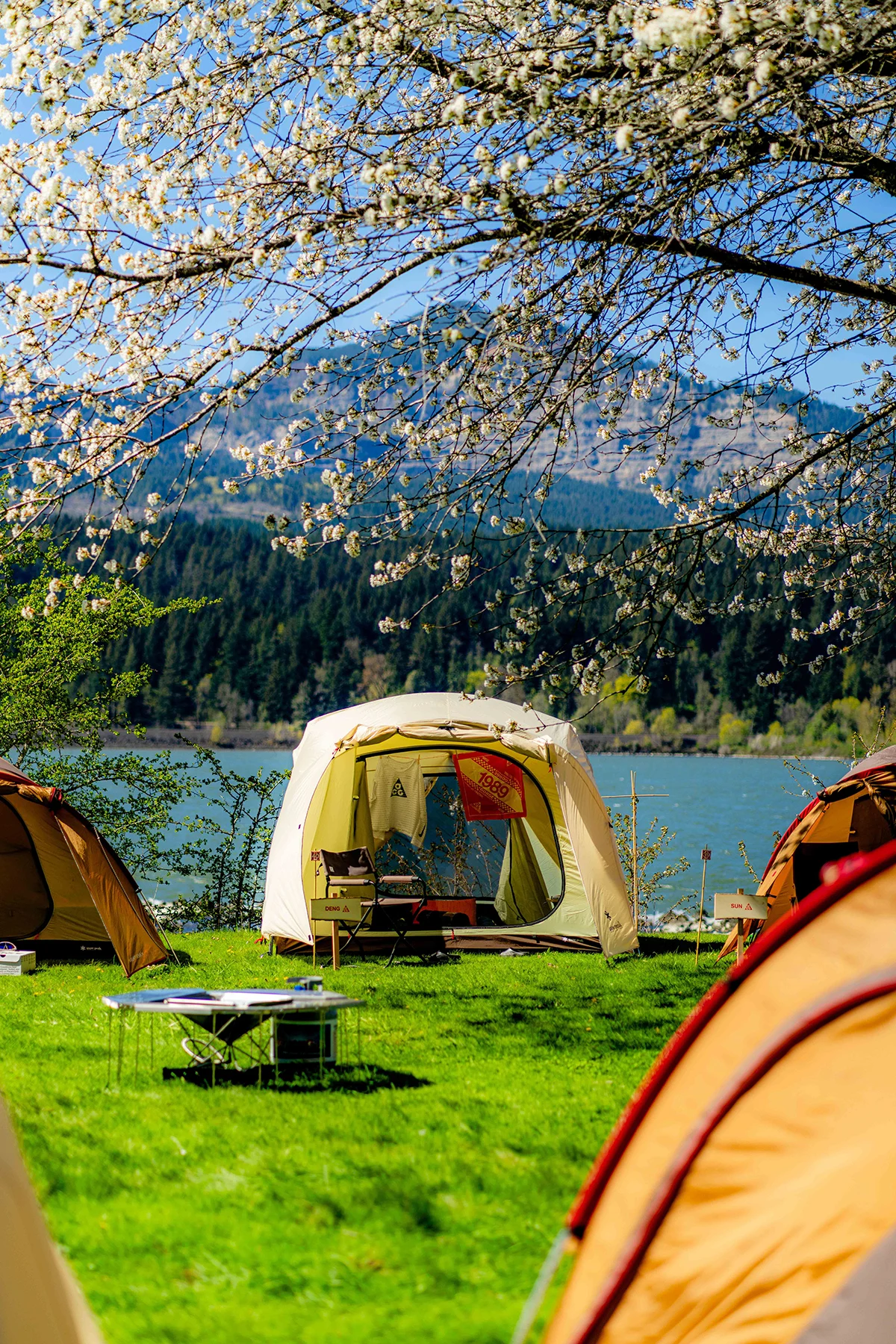
Ten years ago, the Lake Sonoma Trail Series finish area didn't look like this. Other races didn't either. Trail races were scrappy in nature, and attracted a motley crew of runners willing to get dirty, exhaust themselves, and self-support with their own food in the event that an aid station ran out of snacks. You’d get your medal, hobble back to your campsite, and crack open a lukewarm beer from the cooler. Or maybe you'd climb into your Subaru, roll down the windows, and pass out.
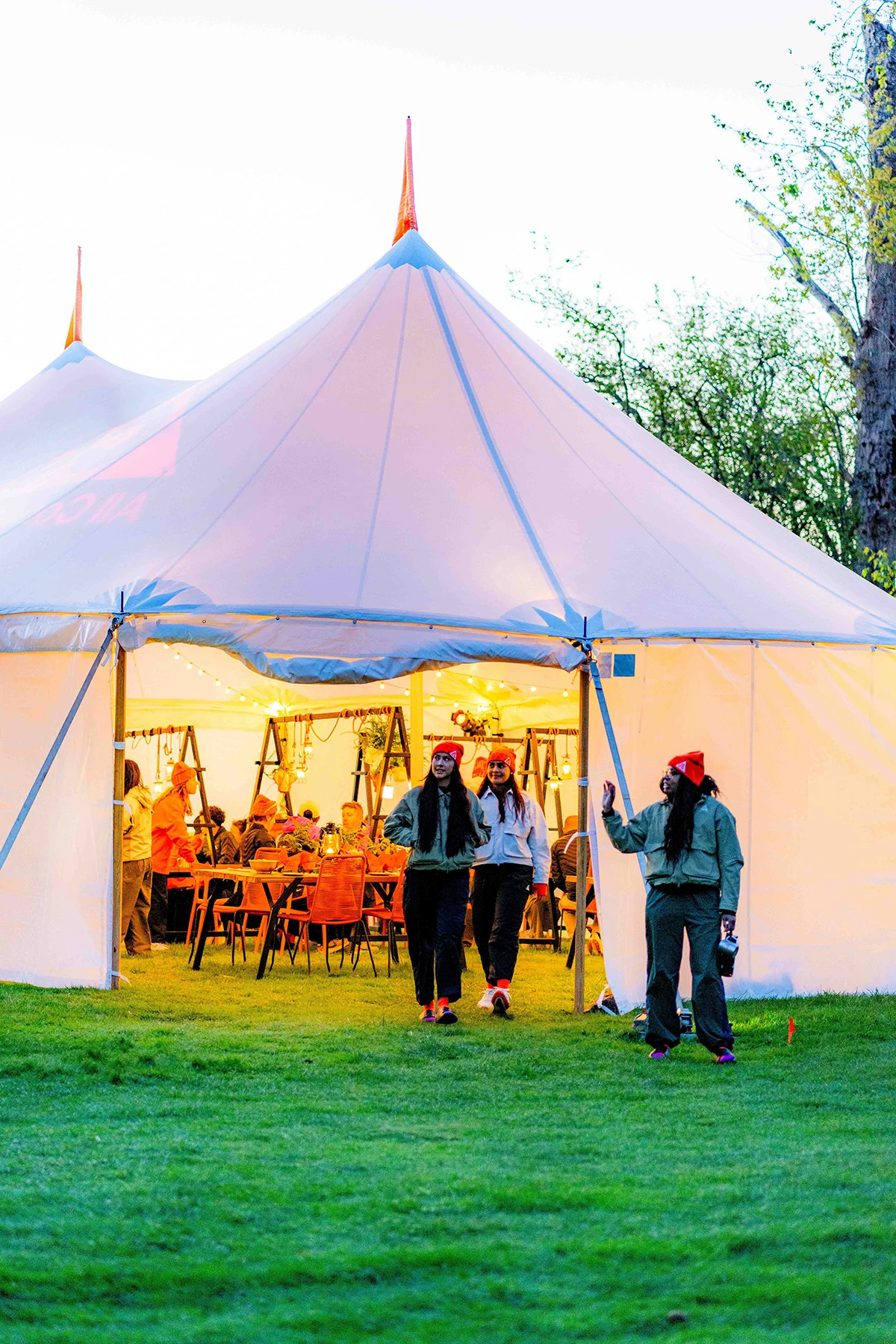
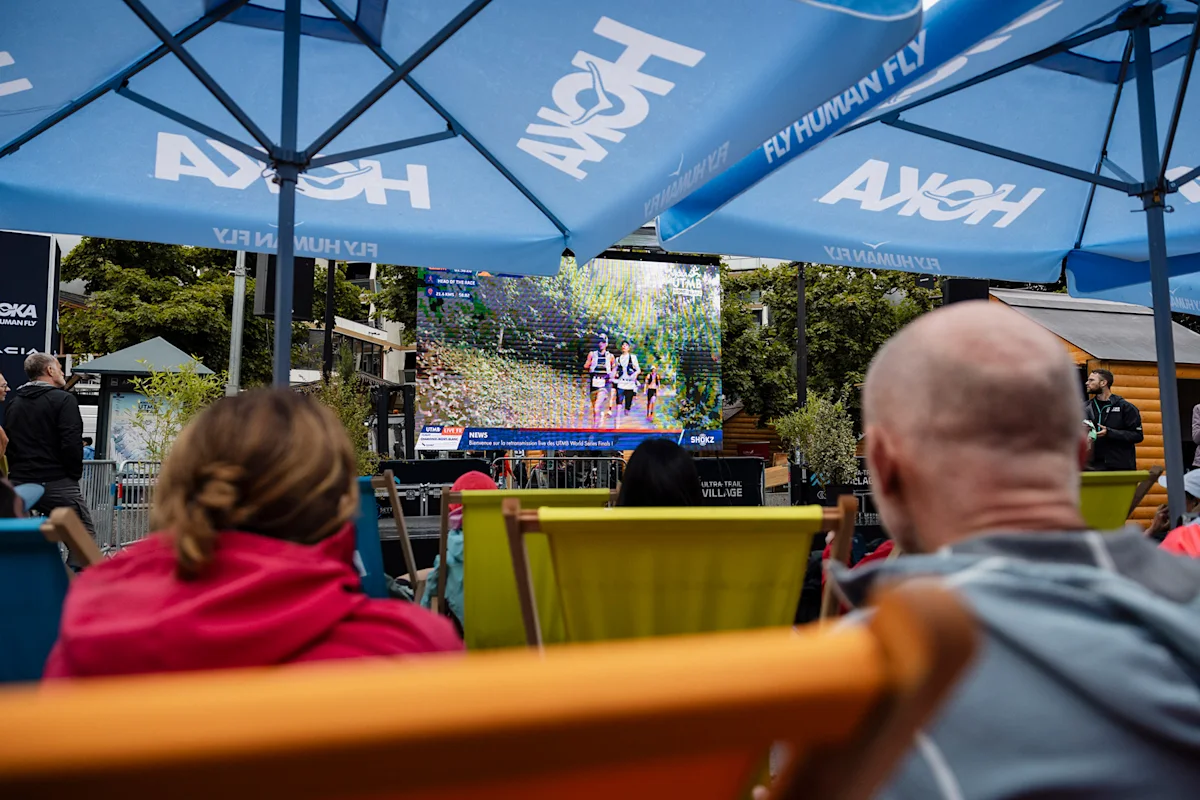
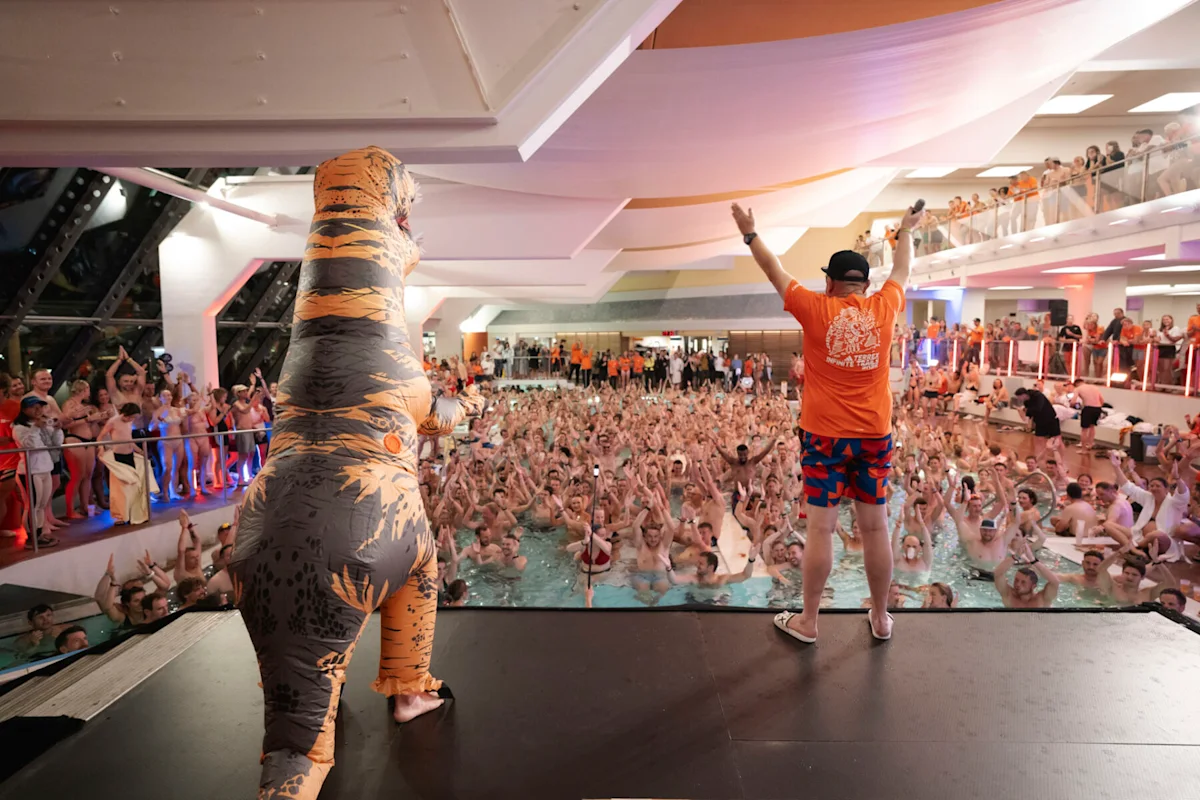
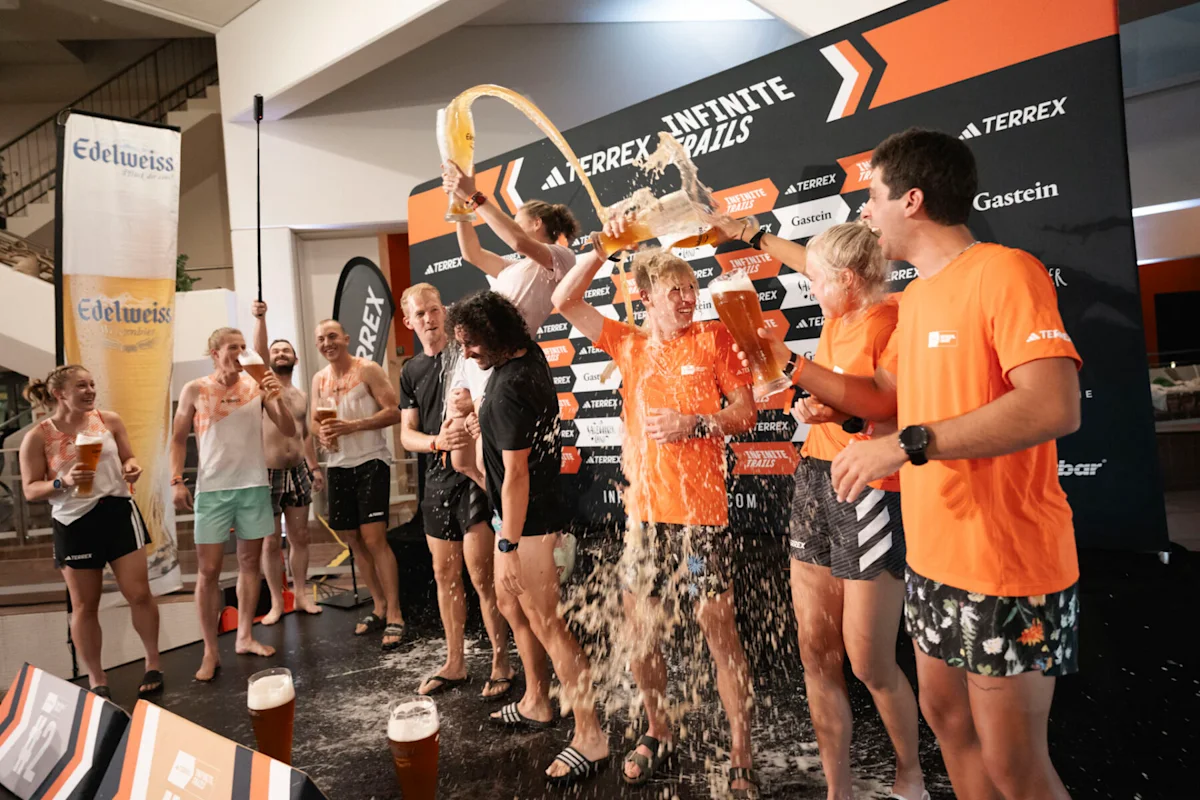
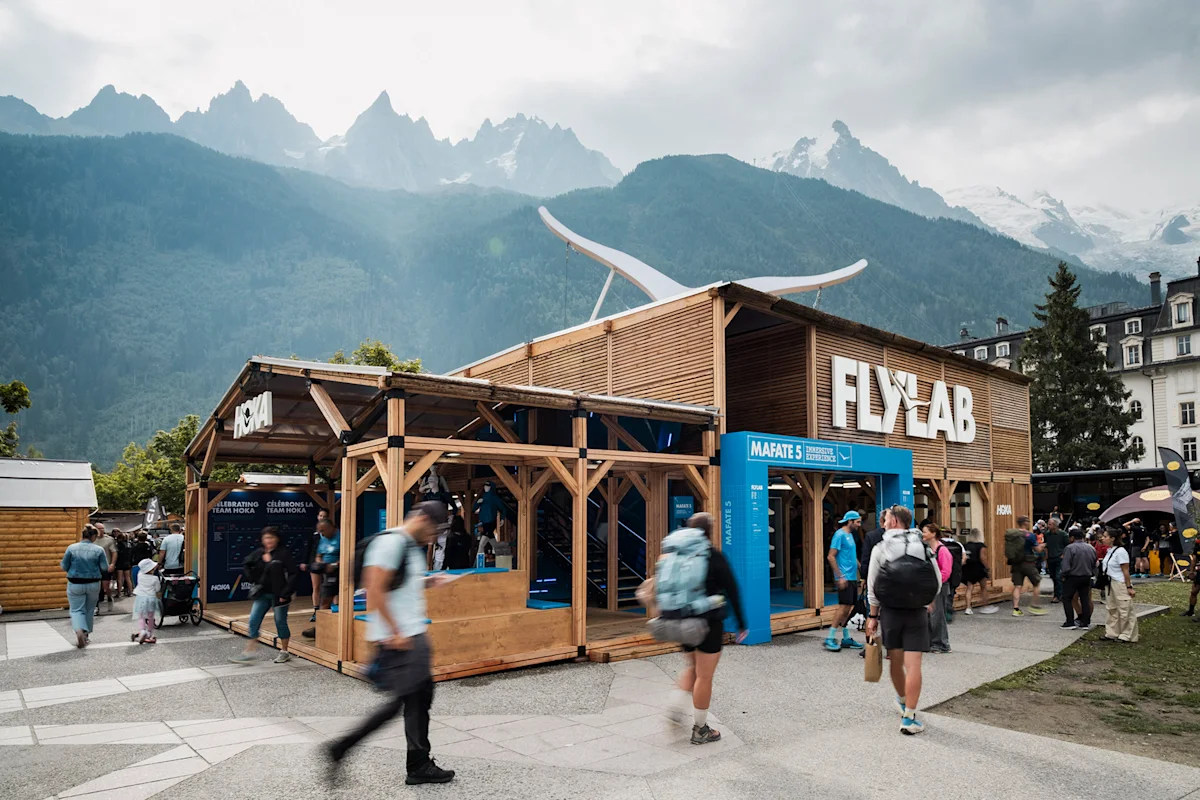
In recent years, small races like Lake Sonoma as well as heavy hitters like Western States are inching closer and closer to full-on festival weekends. Complete with brand activations, athlete panels, shakeout runs, DJs, recovery zones, food, and merch drops. Brands have poured money into trail running as the sport has grown, helping race organizers build experiences that they often didn’t have the resources to create themselves. The injection of people, interest, and cash has made trail races bigger, more exciting, and more celebratory than ever, but it risks homogenization in the process.