Presented by 
This article is the latest in an ongoing series of deep dives into past, present, and future icons called Sole Searching, made in partnership with Vibram. Earlier features outline how Saucony updated its most rugged trail running shoe and how Arc'teryx is creating a new category with the Vertex Alpine.
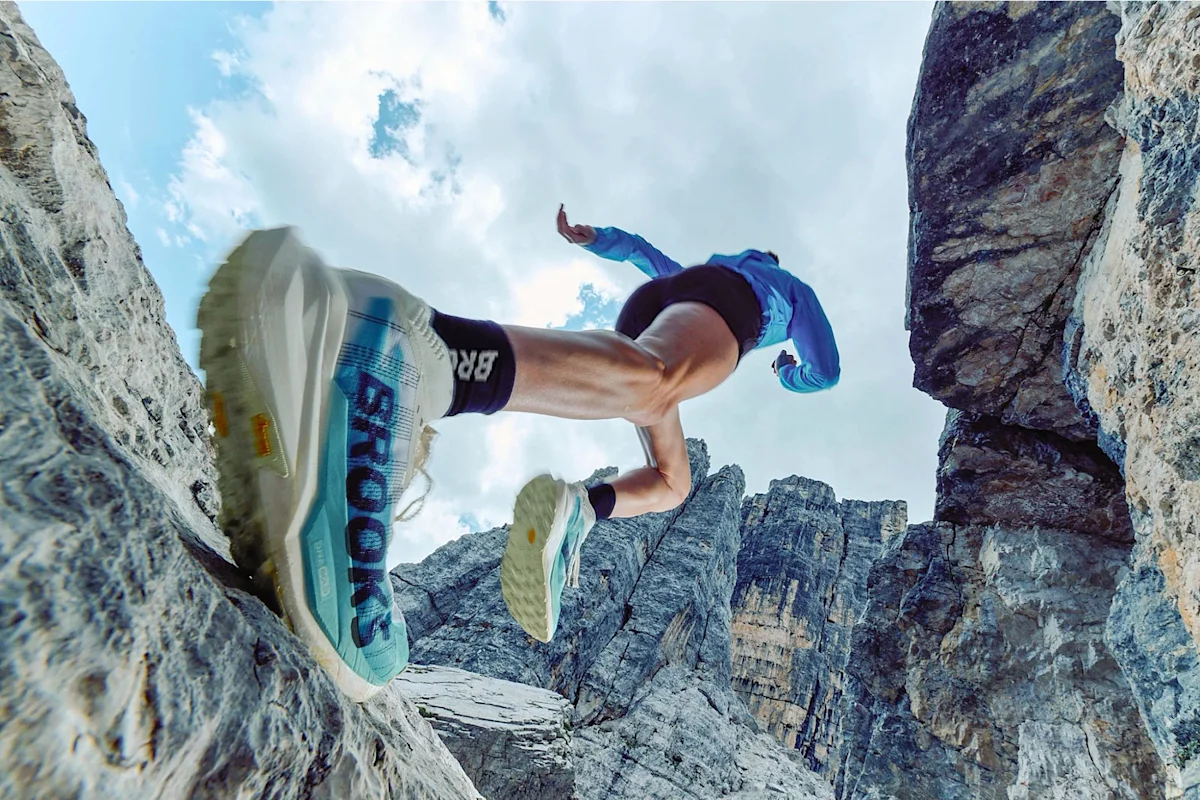
When Brooks released the Cascadia in 2004, trail running shoes skewed burly, more light hiker than rugged runner, or they were nimble without offering much protection. The Cascadia blazed a path down the middle—flexible, stable, supportive, grippy—and has stayed the course in the decades since. When runners get curious about running on trails, many pick up a pair of dependable Cascadias.
Today's runners expect more from their trail shoes than ever though, so when the Brooks footwear team began reworking the marquee shoe to create the shoes twentieth iteration—the Cascadia 20—they knew it needed to be more of an overhaul than a simple update. But how do you rebuild a shoe that's been beloved for so long without spoiling the formula?
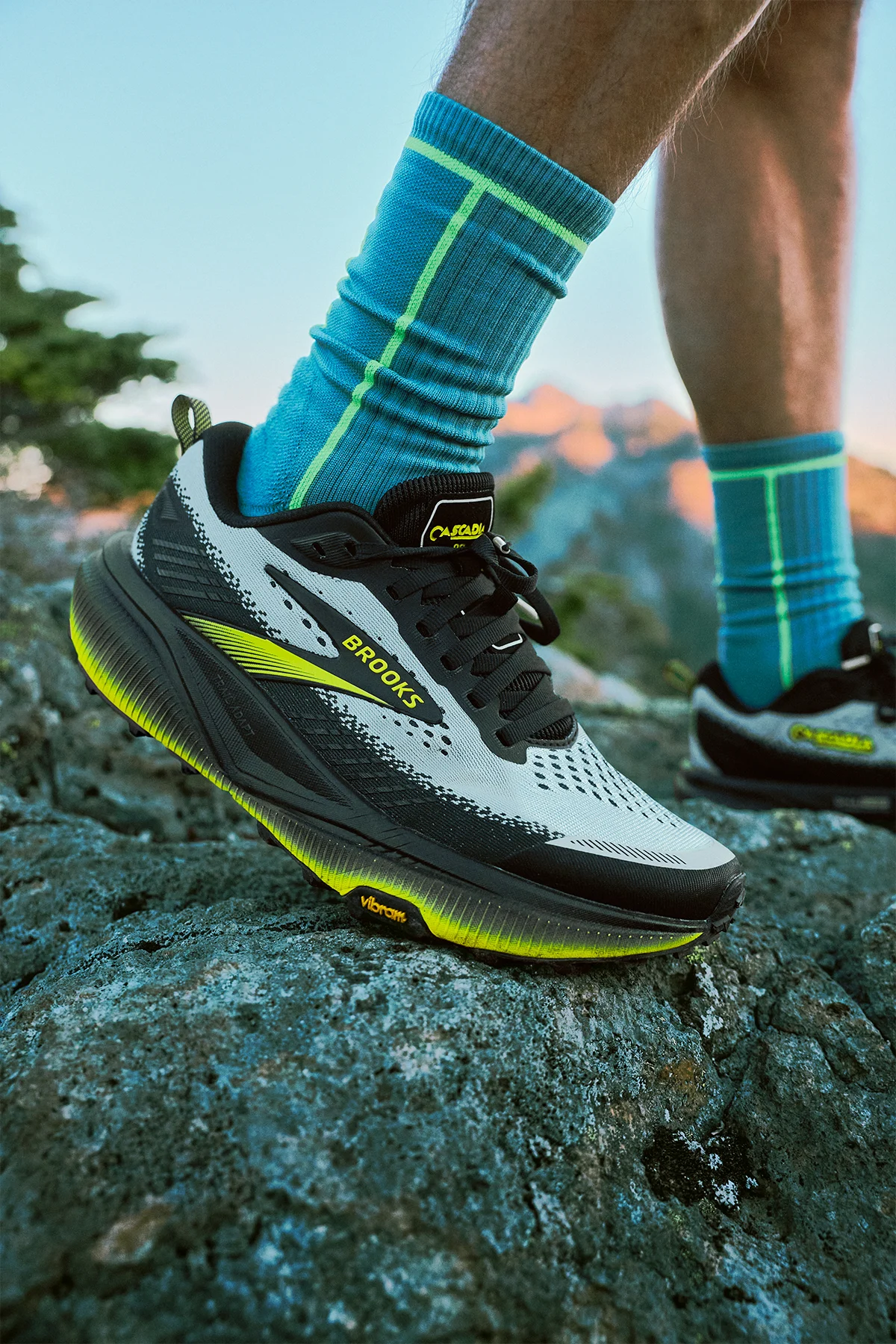
To find their answer, the team looked toward trail running's cutting edge without losing sight of the past. They came up with a low-profile, all-mountain shoe with balanced cushioning, lightweight protection, and a six-millimeter drop.
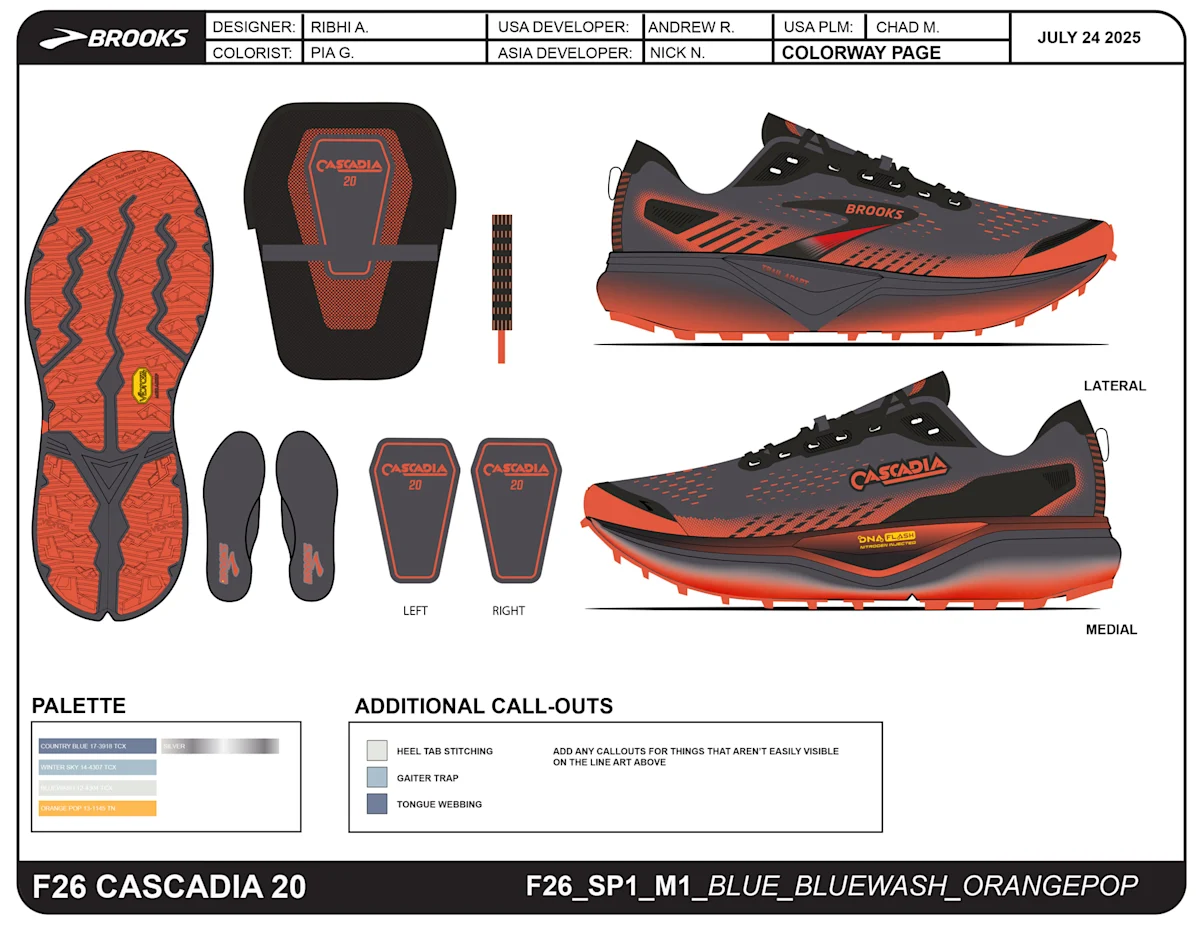
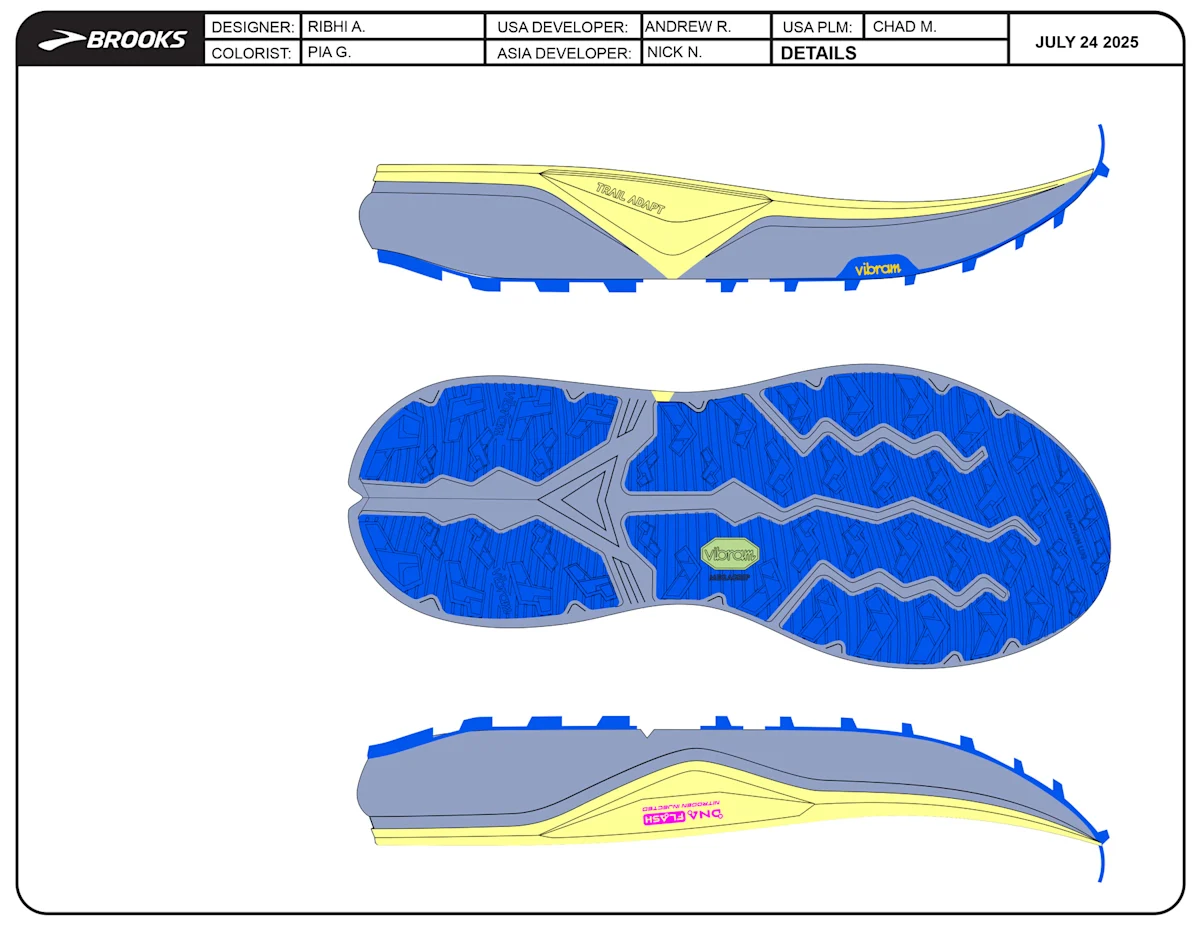
To get a better look under the hood of the new Brooks Cascadia 20, we touched base with key team members at both Brooks and Vibram who were involved in the process and below, we go deep on the new shoe's design, exclusive renderings and all.