In one of the most notorious scenes in The Devil Wears Prada Meryl Streep as Miranda Priestly, the powerful editor-in-chief of a Vogue-esque fashion magazine, delivers a blistering monologue about the scale of effort that goes into one specific seasonal colorway.
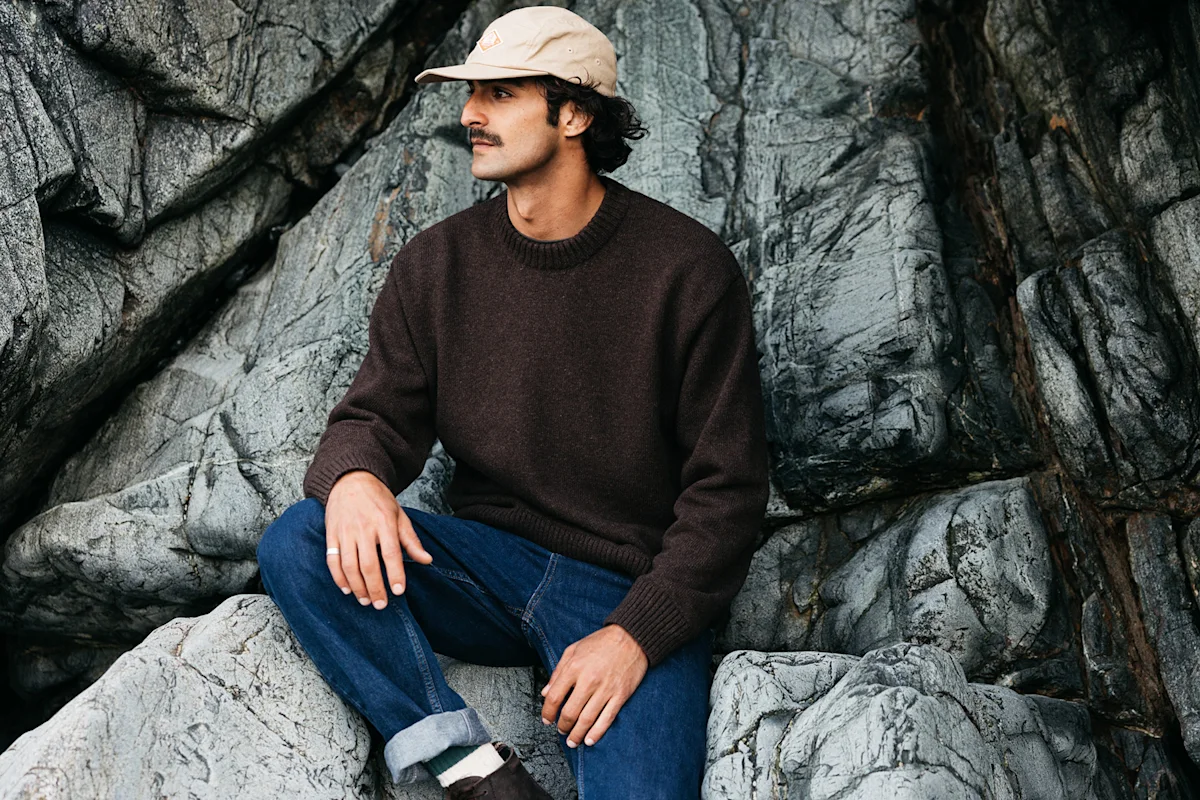
“That blue represents millions of dollars and countless jobs,” says Priestley. “And it's sort of comical how you think that you've made a choice that exempts you from the fashion industry when, in fact you're wearing a sweater that was selected for you by the people in this room.”
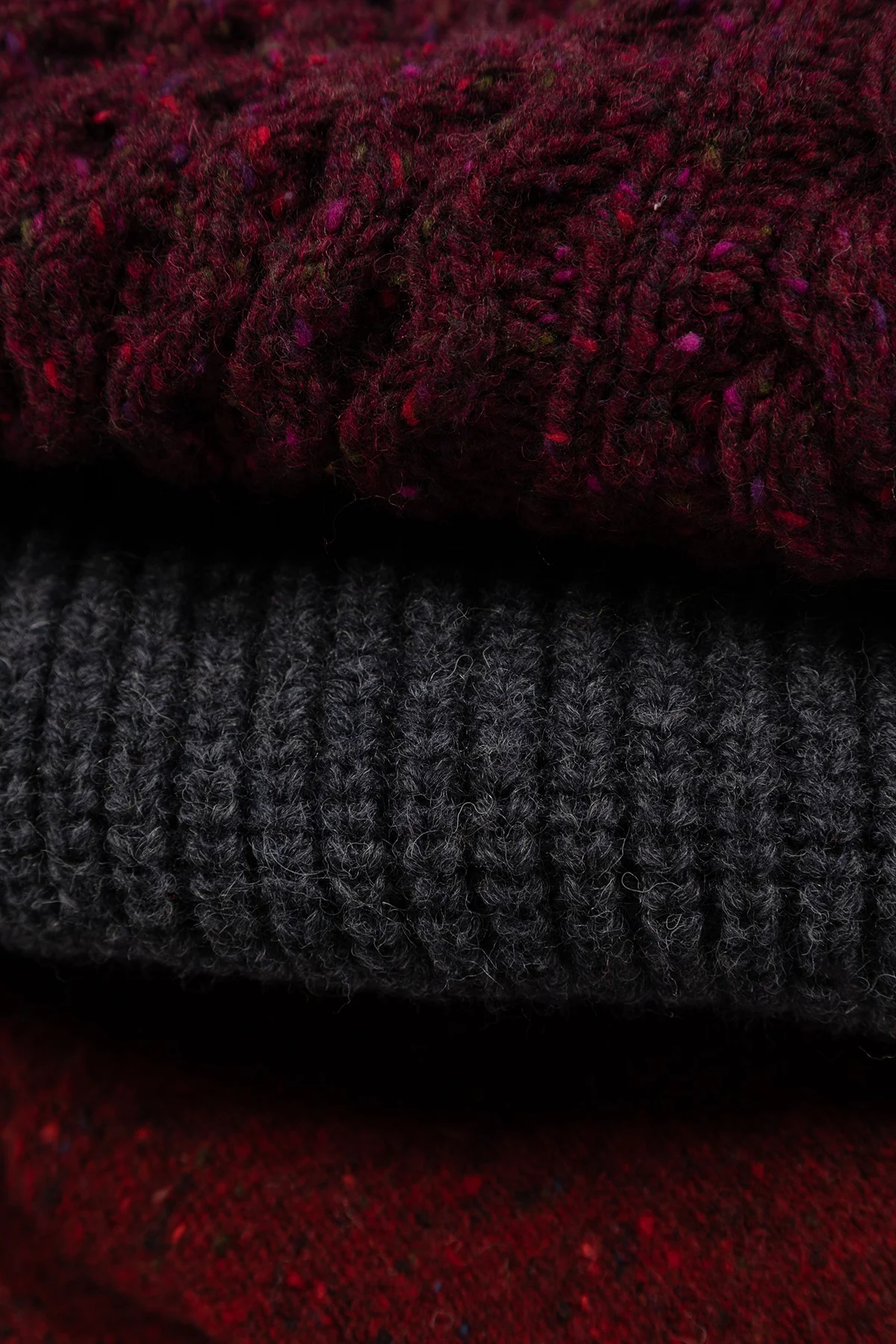
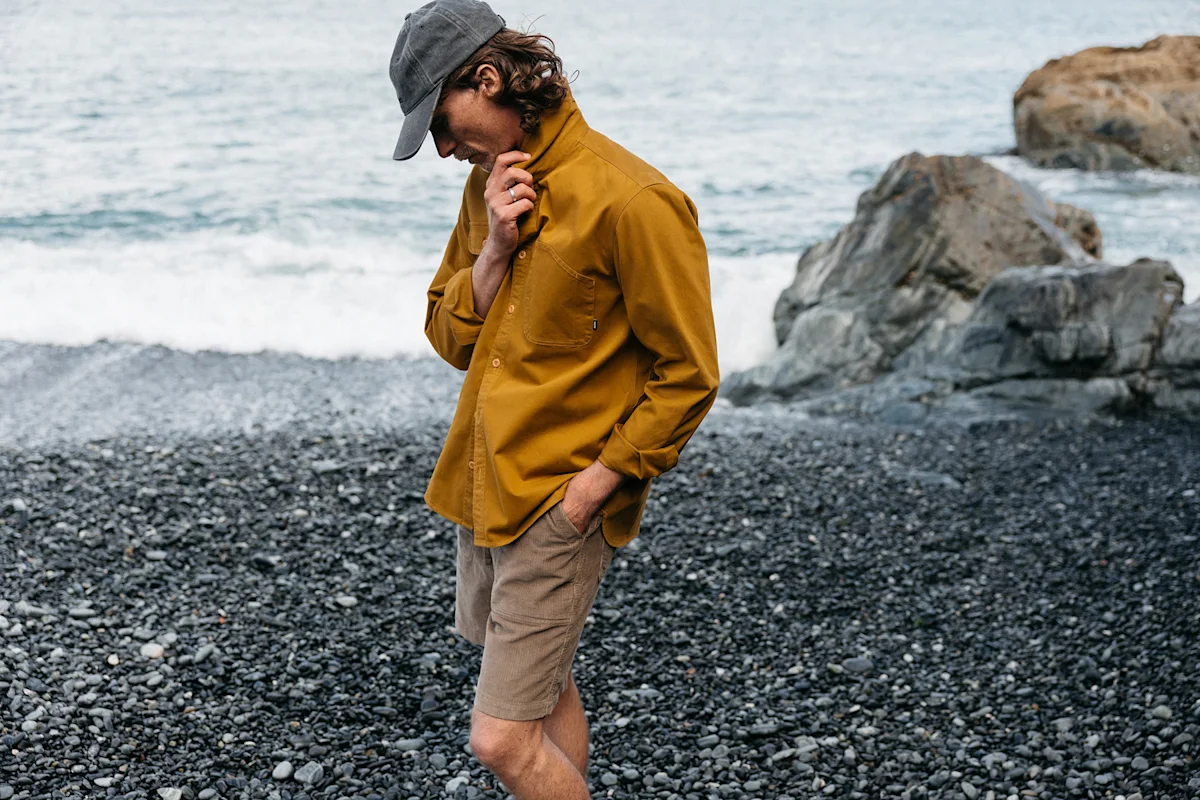
The point is, the outdoor industry operates no differently. While perfect functionality be the drive behind outdoor design, the perfect colorway plays a part, too. The perfect burnt umber or "Grenoble green" can make all the difference,
Conscious or not, color drives sales. And textile dyes drive pollution, accounting for 17-20% of global industrial water pollution. A staggering 1.5 trillion liters of water are used each year by the apparel industry, and toxic waste from dyeing can damage soil and contribute greatly to carbon emissions.
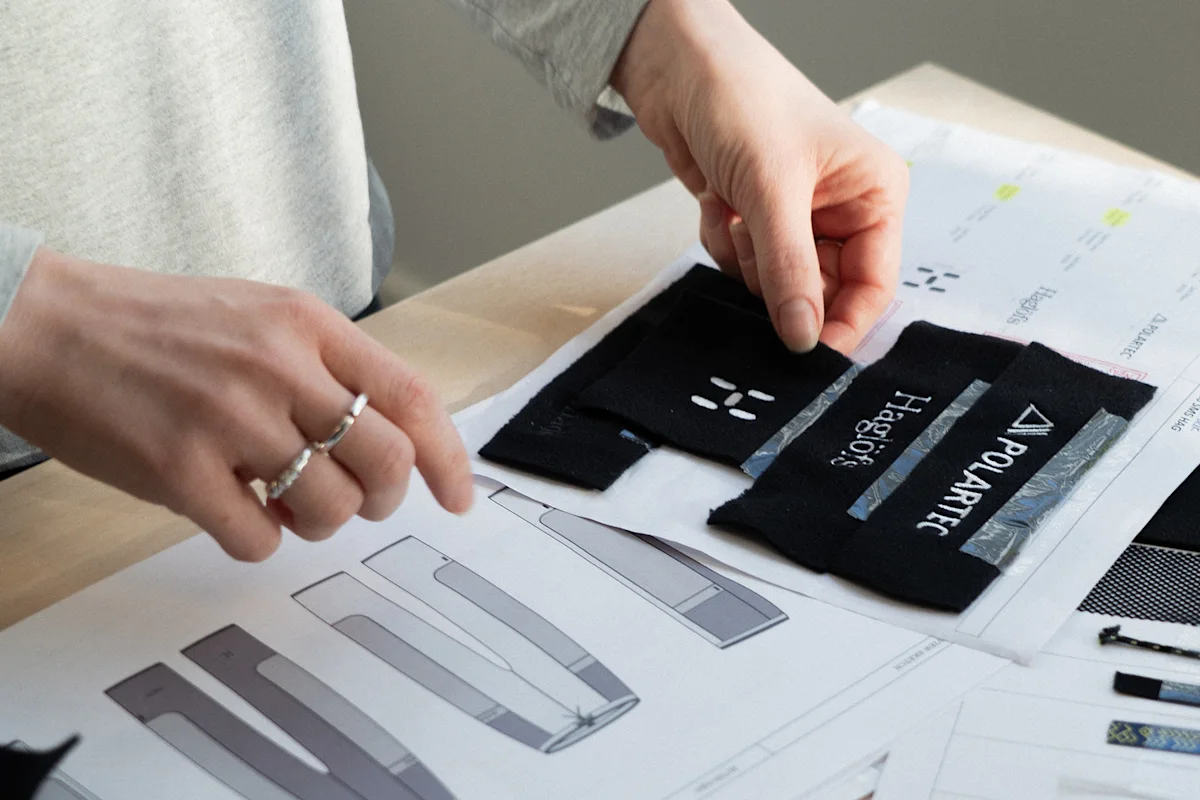
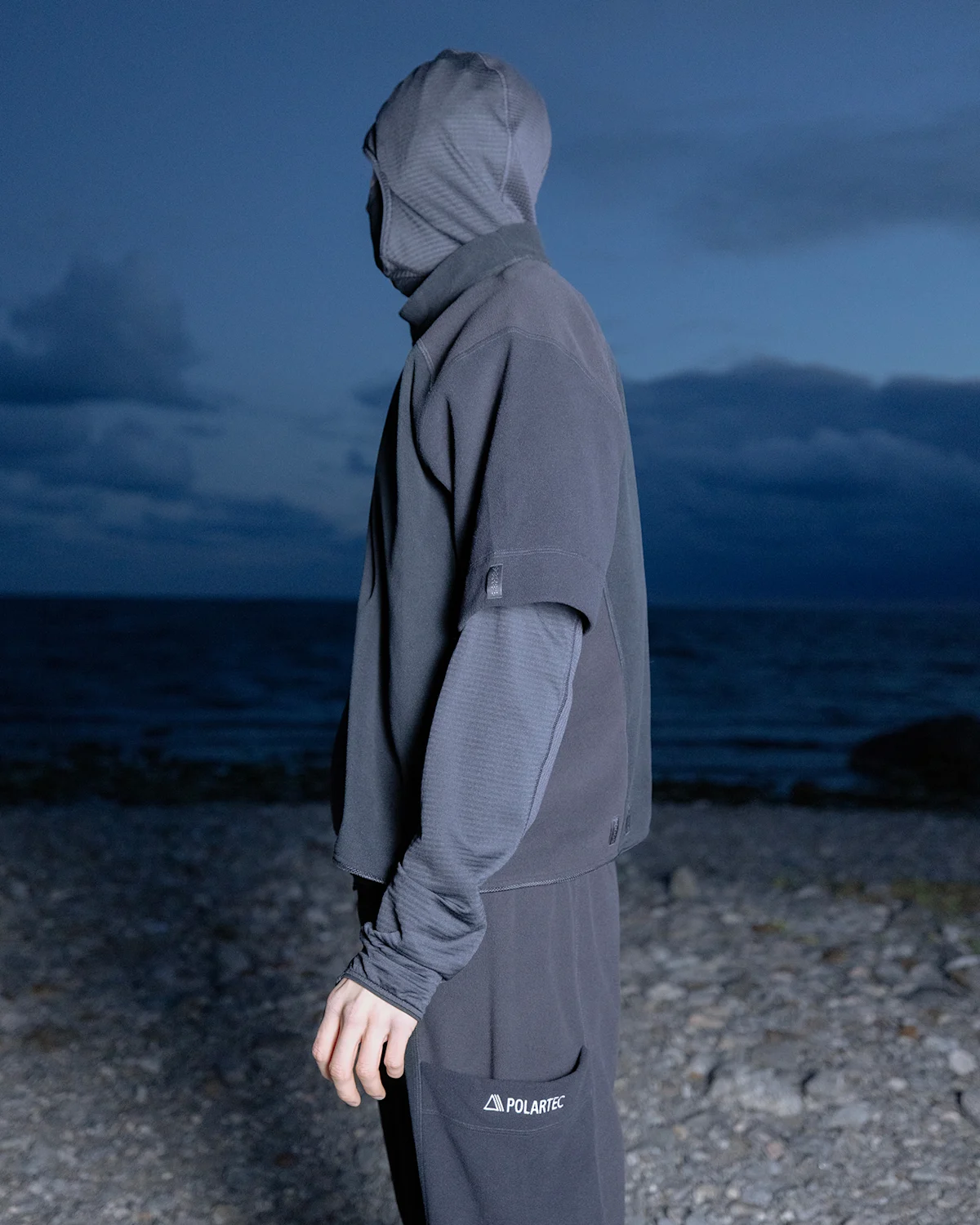
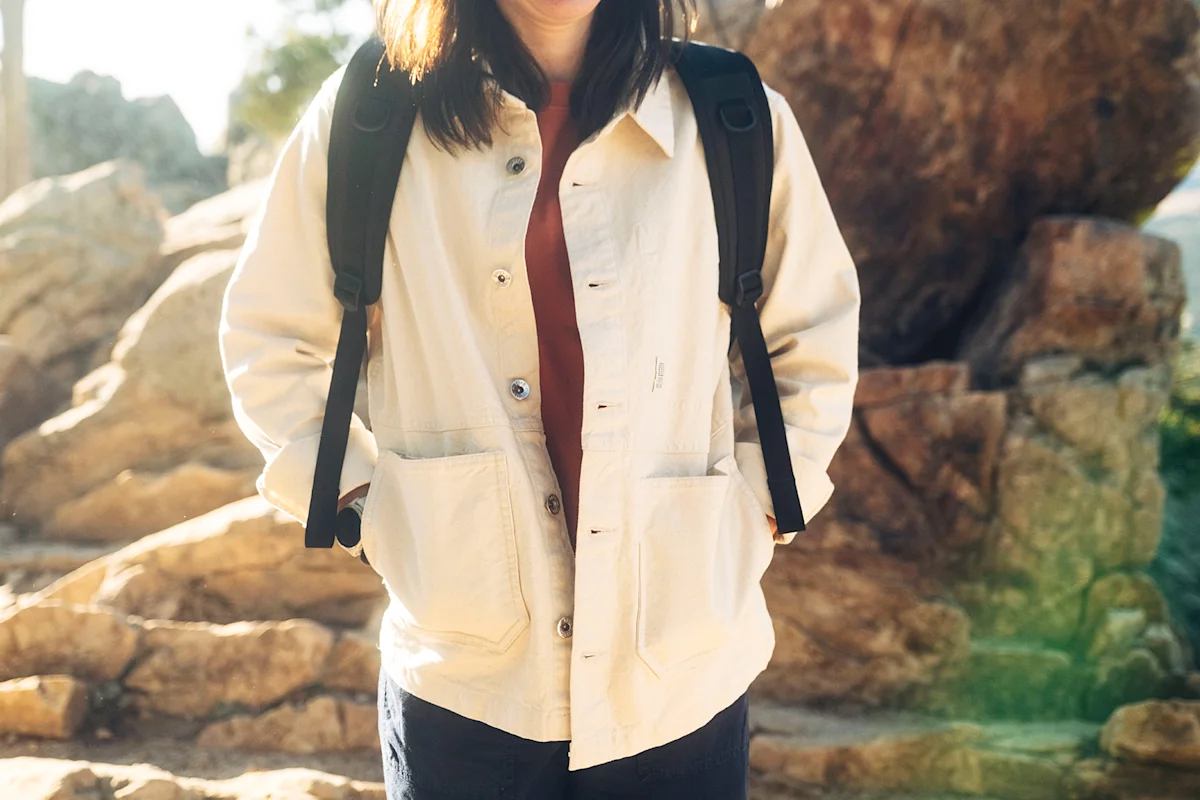
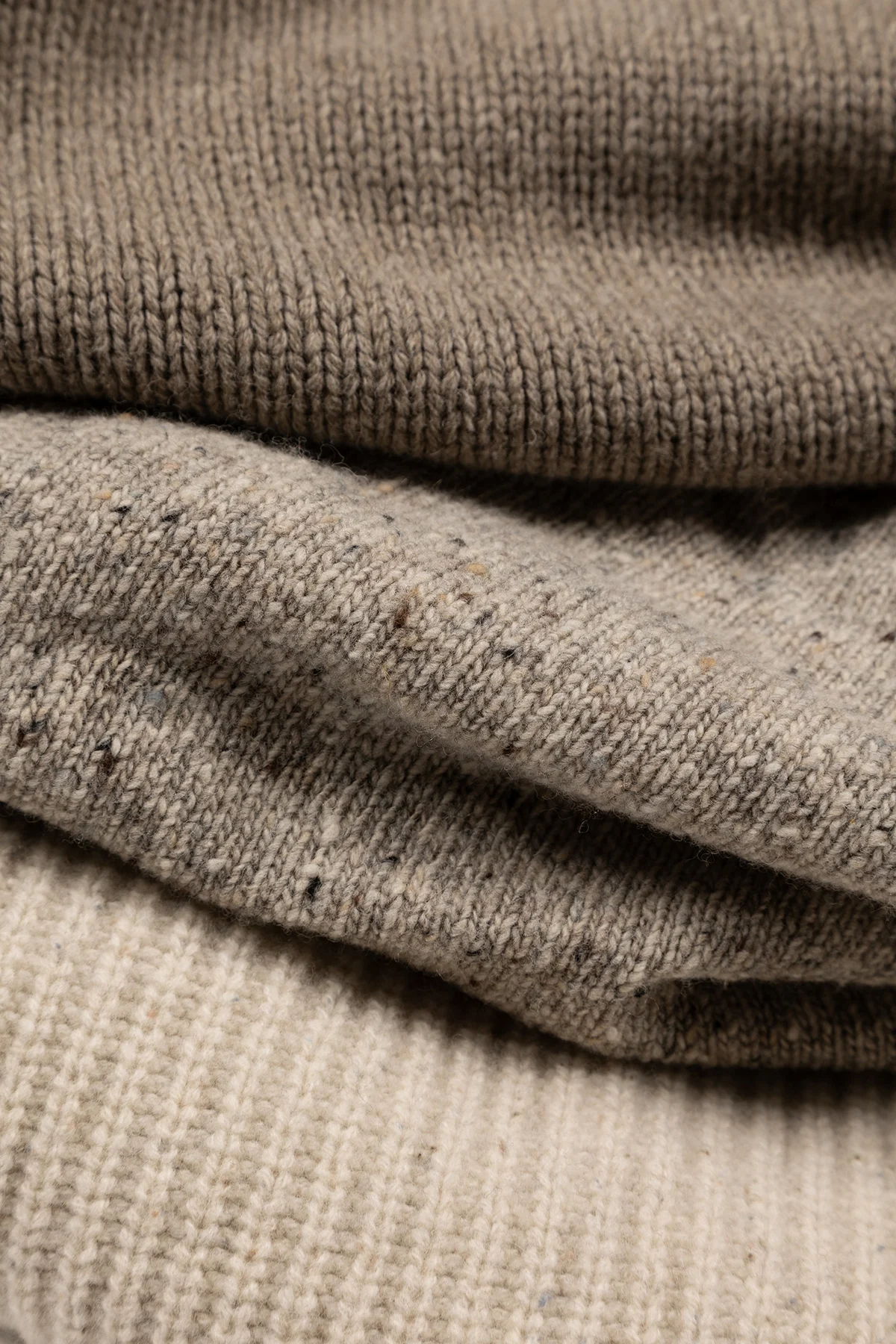
It's a dirty reality that we outdoor enthusiasts who care so deeply about the environment unwittinlgy support industrial processes that do such damage. The overlap between the fashion industry and the gear industry has been growing in more obvious ways recently as the lines between aesthetic and technical blur, but this is something they've always had in common. Yet a few outdoor brands are now approaching color in innovative ways that might lead to more sustainable industry-wide practices.
Below we will explore these solutions, the trend of undyed gear, and examine whether it's simply greenwashing or a real effort to reduce or eliminate the hidden cost of color in the gear we rely on.