The open knitted framework allows the fibers to trap heat and insulate in cool temperatures, but because the material is more porous, it can shed heat during high-output activities. Since less overall fabric is required, Alpha can pack down smaller and doesn’t retain as much moisture as traditional fleece.
The original versions of the fabric required an inner lining and outer face fabric to hold the fibers in place. It was a definite improvement on the technologies of the time, and Polartec used the term “active insulation” to describe the way Alpha essentially resolved the start-stop problem. Active insulation became an entire category in the outdoor industry, and while the term has faded somewhat over the last decade, brands are still using it.
“Alpha does not mechanically open or close as someone exercises,” says Kesh. “Its open structure provides pathways for heat and moisture exchange; how much exchange occurs depends on movement, wind, temperature differences, and the complete clothing system. It expanded the design question from ‘How warm is this?’ to, ‘Across what range of effort and conditions will this remain comfortable?’”
But for ultralight enthusiasts, the best was yet to come.

Courtesy Hikerkind
The Alpha Direct Evolution
In 2017, Polartec introduced Alpha Direct. This version of the fabric ditched the sandwich-style insulation in favor of a standalone fabric. Goodbye liner and shell, hello absurdly lightweight, warm, and breathable layer.
Stripped of the enclosing layers, Alpha Direct featured improved drying time and further bulk reduction. The fabric exists in several weight categories, identified by grams per square inch (GSM). A 60 GSM Alpha Direct piece can function as a baselayer, and is so airy it's nearly transparent. The higher the GSM, the more the fabric can trap heat and work in colder temperatures (the heavier and less packable it gets, too). A 190 GSM Alpha Direct garment can provide heavyweight warmth for chillier climates, but most Alpha products tend to be in the 60-120 range.
Kesh notes that smaller brands and makers helped really popularize Alpha Direct. Ryan Windus, the founder of Senchi Designs, started experimenting with the fabric in his garage and selling individual pieces on Reddit. He helped popularize the maximal coverage balaclava-style hoodie. FarPointe Outdoor Gear was another early purveyor of Alpha Direct hoodies.
As with any innovations, the features that make Alpha Direct revolutionary are also the ones that result in drawbacks. “The same openness that supports low weight and airflow means there is less material available to carry mechanical loads,” explains Kesh. “Exposed loft can also encounter snagging and abrasion, especially when people wear the insulation without a covering fabric.”
Meaning: the fibers can shed and deteriorate over time and rip when caught on branches. This isn’t the optimal layer for wrestling crocodiles. And since it is very permeable, rain and wind will penetrate Alpha Direct with ease. Therefore, it is best used as an outer layer in cool and dry conditions, or as a midlayer under a shell.
Alpha Direct Fleece Weights Explained
As previously mentioned, Alpha Direct comes in different weights. So while it seems like every brand makes an Alpha fleece hoodie these days, they aren't all the same.
60 GSM — Ideal as a baselayer for high-output activities like trail running or backcountry skiing.
70-80 GSM — A versatile weight for multi-day or backcountry adventures that will feature stops and starts.
90-100 GSM — A denser weave for extended winter outings.
120 GSM — Best for freezing temperatures and lower exertion activities in cold climates.
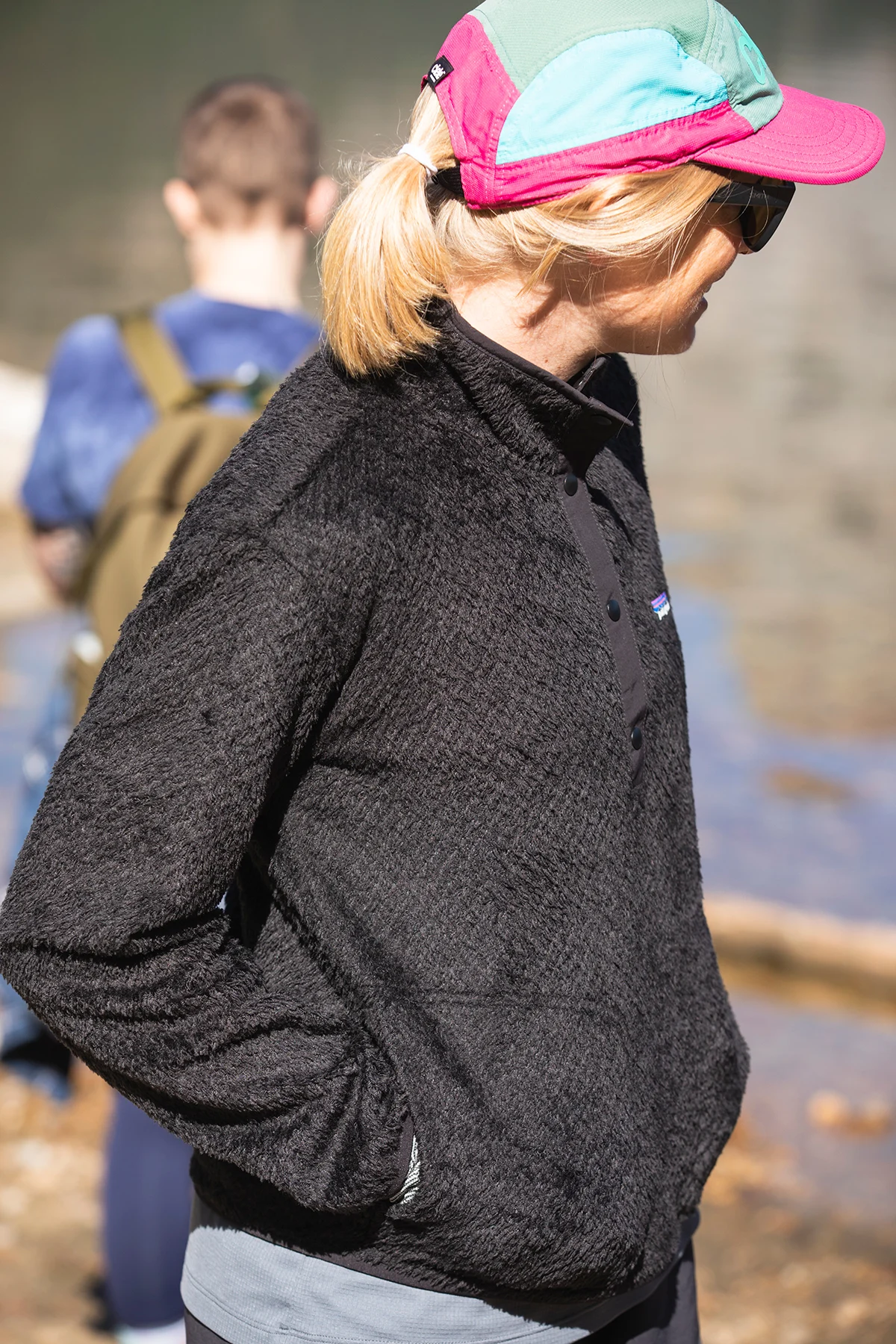
Photo by Jay Nel McIntosh
The Future of Alpha
When asked where Alpha is going, Kesh says that one of the most exciting directions is lighter constructions that maintain the same insulation value. “That means improving the effectiveness of the architecture, rather than simply removing material and accepting less warmth," he says.
Polartec recently announced new brand partnerships that are going to feature this next generation of Alpha. In November, Patagonia, which partnered with Polartec on the creation of fleece 47 years ago, is going to launch an exclusive new Alpha style.
Polartec also recently introduced Polartec Alpha Wool. This new construction features merino fibers in the knit and is already available in a hoodie from Purple Mountain Observatory (Good luck getting your hands on one.)

Photo courtesy Senchi
Other New Mateirals Competing With Alpha
While Polartec Alpha is the OG in the ultralight fleece category, there have been a few other fabric innovations that have brought a similar level of breathability and performance.
Octa fleece was invented in 2011 but didn’t appear commercially until a decade later. This eight-sided fleece fiber performs similarly, allowing air pockets to do the work of insulating while also dumping heat. It typically features a tighter weave, providing better durability and wind resistance, but sacrificing the warmth-to-weight ratio.
PrimaLoft Active Evolve is another open-grid mesh fleece. It comes in a greater GSM range, so it can also be featured in a wider variety of products and conditions. Compared to Alpha Direct, it's more often paired with a shell, though there are standalone Active Evolve products as well.
Other brands have also worked with mills to develop their own Alpha-ish fabrics. Janji’s AURAS Ultrafleece hoodie is similarly breathable and lightweight, with a mesh exterior and brushed fleece interior that feels quite similar. And the diamond grid pattern on Ciele’s VLVHalfzip feels like a slightly heavier version of Alpha.
Five Unique Alpha Fleece Pieces for High-Output Adventure
A handful of clever design iterations representing the many applications of Alpha, from stand alone layer to outerwear ingredient.
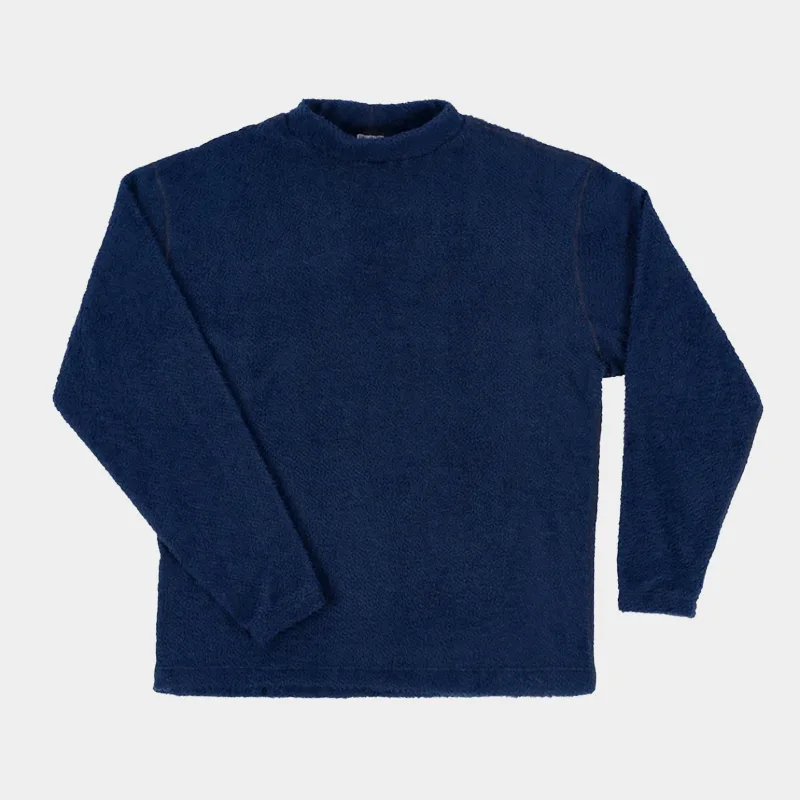
Courtesy Pa'lante
Superb midlayer that comes in different GSMs depending on your needs.
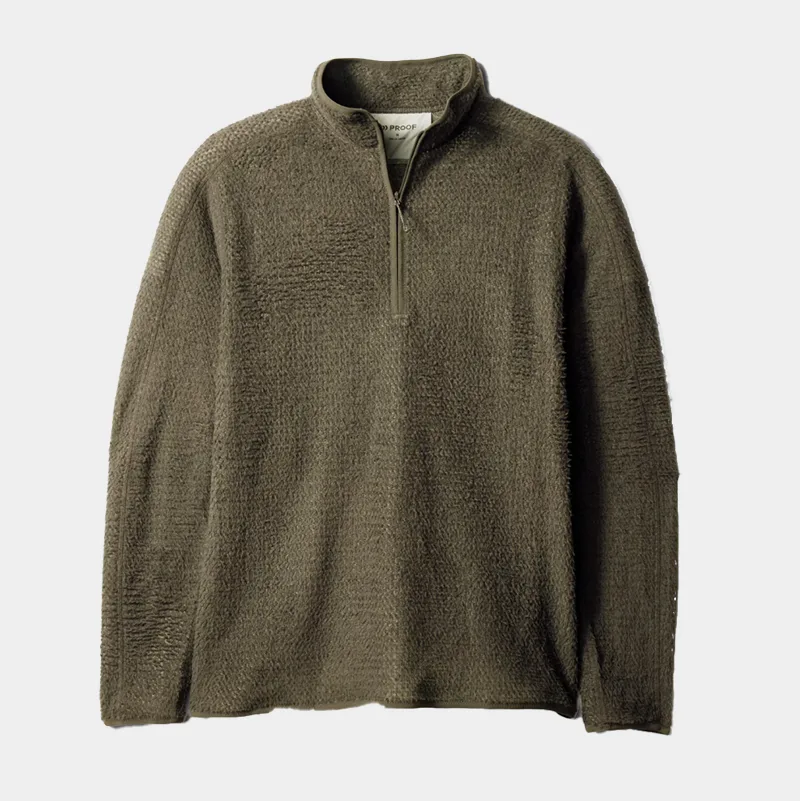
Courtesy Proof
I enjoy having the quarter zip option in my line-up as it gives me all the performance properties I want for cool fall bike commutes, yet it looks a little more refined once I get to work.
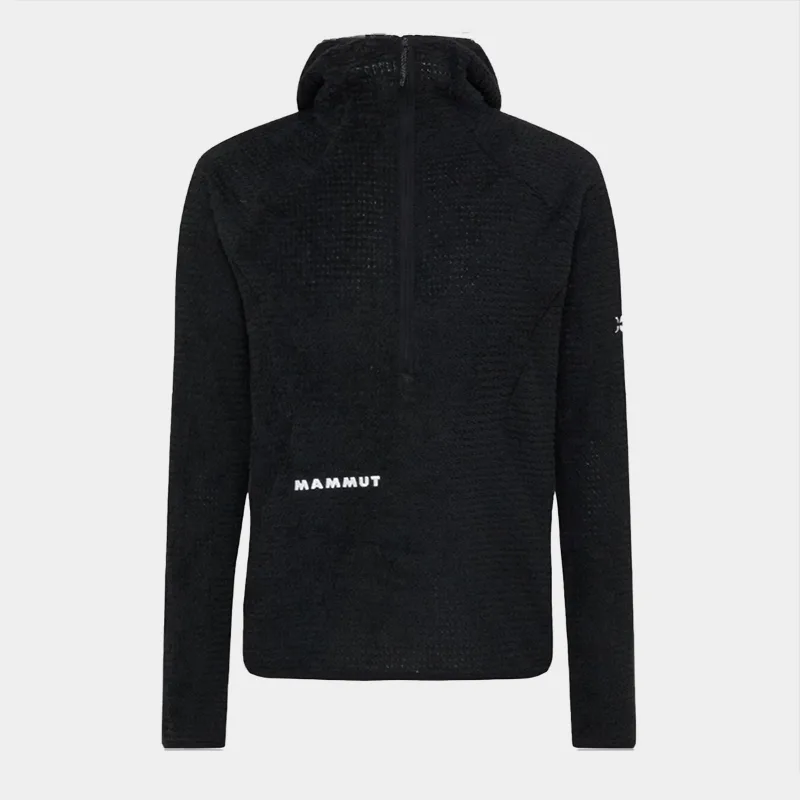
Courtesy Mammut
There are quite a few balaclava options out there for Alpha hoodies. But I appreciate that this one features a half zip, allowing me to dump heat quicker and not feel like my neck is wrapped in an Alpha shawl at all times.
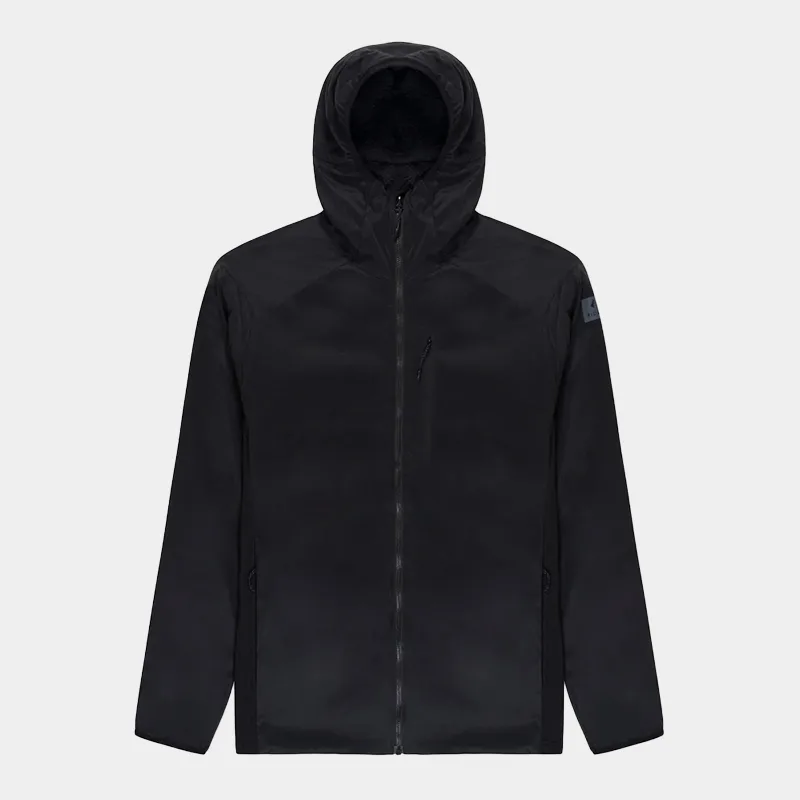
Courtesy Ridge Merino
This is the first iteration of Alpha Wool I’ve tried, and it does not disappoint. The Alpha Wool lining is warm and airy under a water-resistant Pertex Quantum Air Shell. It’s a remarkably cozy and lightweight performer with strategically placed grid fleece panels to dump excess heat.
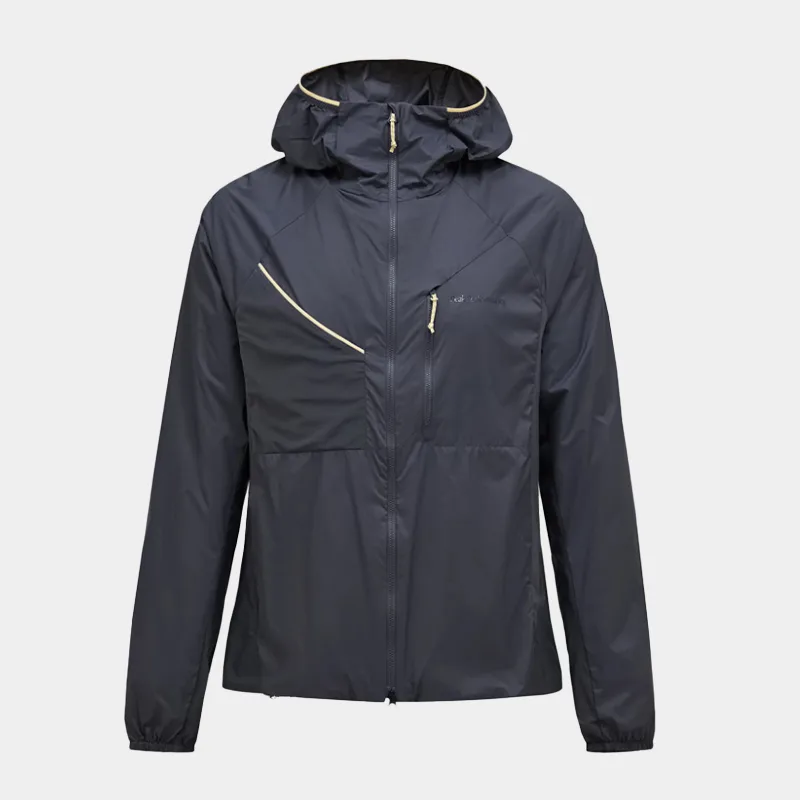
Courtesy Peak Performance
A wind jacket that has an Alpha Direct lining for warmth under a windproof and water-repellent shell. Great for alpine adventures where you want to pack light and move fast.