How Ultralight Backpacking Pioneer Gossamer Gear Found Its Edge Again

How Ultralight Backpacking Pioneer Gossamer Gear Found Its Edge Again

Author
After years of playing it safe, the UL backpacking trailblazer flexed its design muscle and reminded hikers why it mattered in the first place

Published: 03-04-2026

Field Mag may receive a minor commission from purchases made via affiliate links.

Gossamer Gear is one of the oldest names in ultralight backpacking. Over a span of nearly 30 years, the company, founded in California and now based in Texas, has helped guide the ultralight hiking from the alternative fringe to the mainstream mindset. We can attribute a good part of that shift to the packs they make. Their designs are accessible, and slightly familiar with an over-the-top flap that resembles a traditional pack, with thick hip belts featuring plenty of pockets. The brand's best known packs would fit well alongside the more mainstream packs on the wall at REI if they weren’t so much lighter.

Nearly three decades in, Gossamer Gear is better known in the ultralight world for approachability than progressive designs. The company maintains a core following of long-term customers and its packs consistently make top ultralight backpack lists, yet they haven’t inspired the same excitement and attention as wares from younger brands like Durston or Pa'lante. As new companies emerged in the 2010s with trendy fabrics and clouty marketing, Gossamer Gear stayed its course.

Then, in 2025, the company upended that reputation with new pack designs that are a real departure from their status quo. The Gossamer Gear Type II and Alchemy Collections represent an unexpected upwell of creative output featuring new fabrics and silhouettes—plus slick advertising that could have come from an upstart brand with big label backing. After building a reputation on reliable, ultralight gear, Gossamer Gear has proved that it still has plenty to say in an increasingly crowded ultralight market. Being reliable isn’t necessarily the same as being relevant.
gossamer-gear-Glen-with-G1

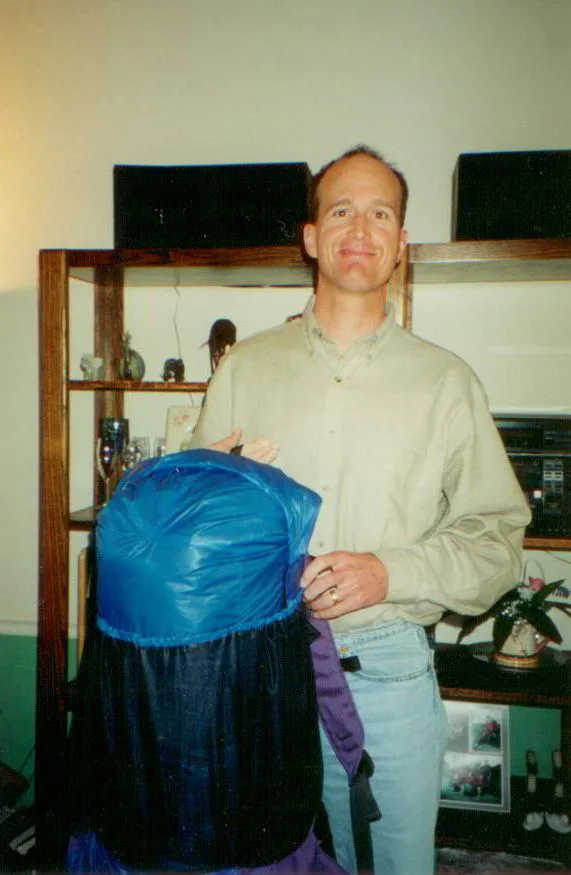
Glen Van Peski with a G1 pack | Courtesy Gossamer Gear

Gossamer Gear's DIY Origins

Like another one of the outdoor industry's famous reluctant businessmen, Glen Van Peski never intended to start an ultralight backpacking company. Family and a civil engineering career kept him busy enough, and ultralight backpacking was a little-known pursuit in the late 1990s. But when he was introduced to Ray Jardine’s classic ultralight writings through his son’s Boy Scout troop, he started to re-evaluate his own kit. “I looked at my gear and my pack weighed seven and a half pounds empty. I thought, well, that's probably a good place to start,” Van Peski told me.

The culture of ultralight backpacking as we know it now traces back to Jardine, who wrote several popular books on ultralight hiking and sold DIY Ray-Way kits for packs, ultralight quilts, and more. Jardine was followed by Kim and Demetri Coupounas with their Boulder-based gear company GoLite, and by Gossamer Gear, both founded in 1998.

When Van Peski decided to start sewing packs, there was little information beyond Jardine’s books, and no standards for ultralight gear—if you couldn’t sew it yourself, you were out of luck. Van Peski himself is one of the first people quoted using the “10-pound base weight” rule—which says the total weight of a UL gear setup, minus food and water, should be 10 pounds or less—in a 2005 essay published in Backpacking Light. Van Peski was lucky to have the requisite skills to make his first pack, the G1, followed by several more named in succession. By the time he got to G4, he was confident enough in his design to post the plans on a Pacific Crest Trail listserv (remember those?) so industrious hikers could make their own.
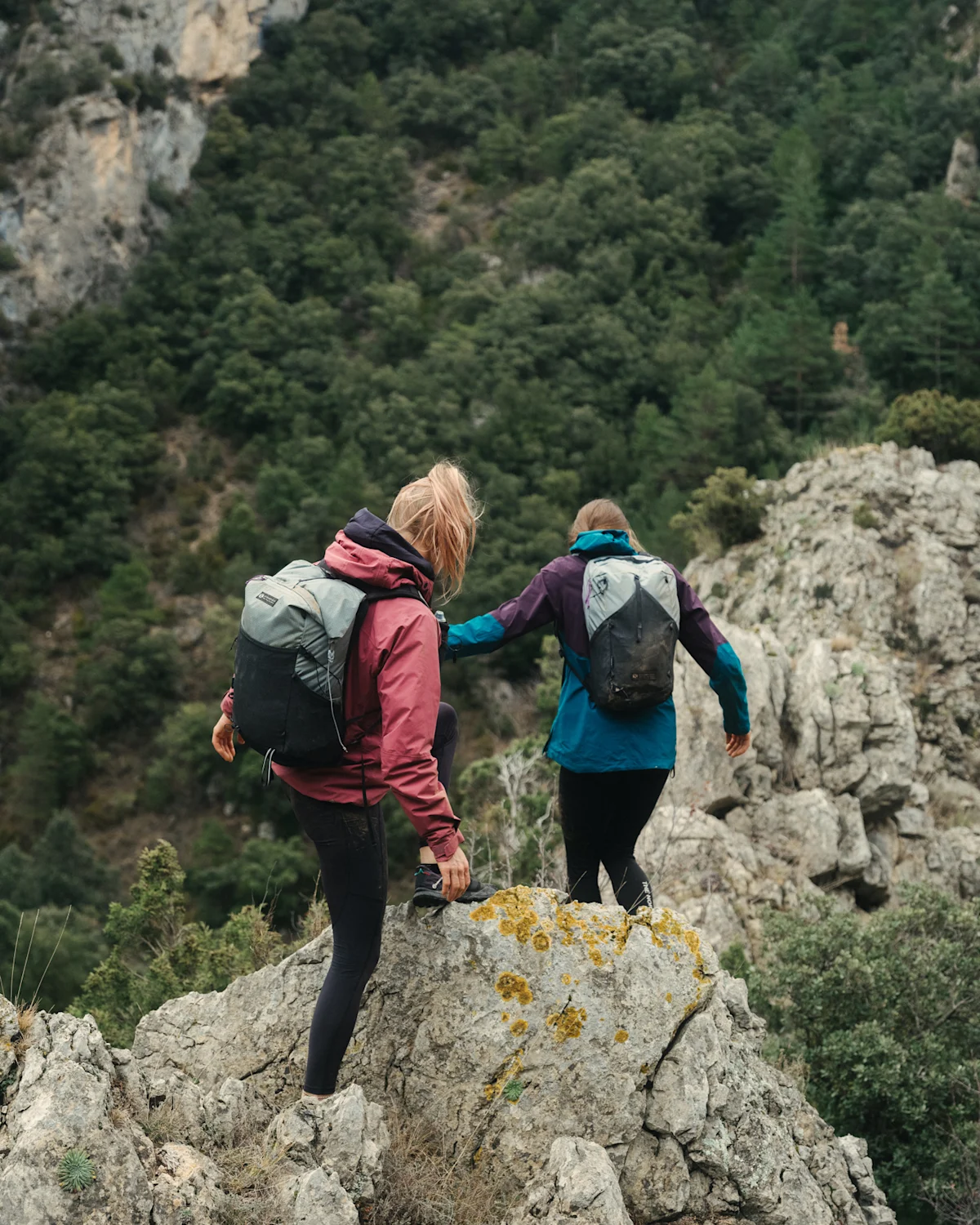
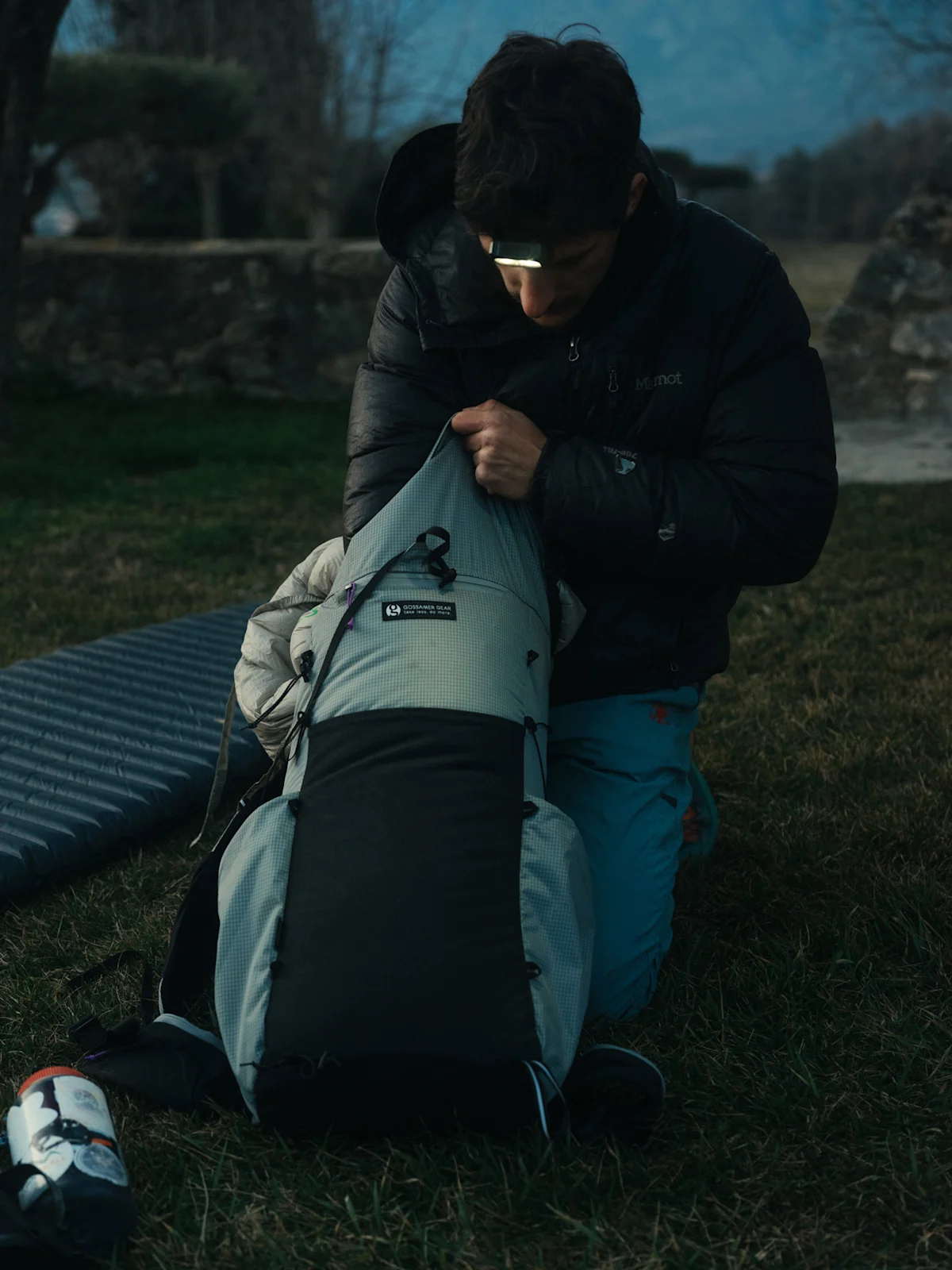
"Gossamer Gear became a steady, dependable name in a space that was anything but."

Not everyone could sew though, and Van Peski started getting emails from ultralight-curious backpackers asking if he could make bags for them. He reluctantly acquiesced, making custom orders with his wife and neighbors. After receiving enough of these requests, Van Peski found a small cut-and-sew operation in Seattle that could help with production, and his son Brian cobbled together a website. Before the manufacturer in Seattle fulfilled an initial order of 50 packs, $70 each, Van Peski had received 36 more orders.

This backpack making side project quickly consumed Van Peski's life. “I was doing engineering during the day and then basically—GVP Gear in the early days—Gossamer Gear at night. And it got to where I was working 60, 70 hours a week doing the engineering, and then another 30 hours a week doing Gossamer Gear,” he said. The orders kept coming and the company kept growing, but quitting his engineering career was never an option. He considered shutting it all down but instead decided to bring in new partners to manage the company in 2005, stepping back from the brand he'd built pack by pack on a yellow legal pad.

Van Peski's influence on Gossamer Gear remained strong through his enduring designs (and board chairman seat). “[He] is still our litmus test to make sure that something doesn't fall outside our brand story,” Gossamer Gear CEO Jonathan Schmid tells me. The company has continued to operate on the principles he'd established, prioritizing accessibility and reliability over flash. For better or worse, Gossamer Gear became exactly what Van Peski had accidentally created: a steady, dependable name in a space that was anything but.

gossamer-gear-Grit-ridge

Courtesy Gossamer Gear

gossamer-gear-Skala-15

Courtesy Gossamer Gear

The Evolution of an Ultralight Gear Pioneer

As the ultralight market became more saturated in the 2010s, Gossamer Gear leaned into approachable designs. The Gorilla pack is widely considered to be among the best gateway packs for getting into ultralight, after the more traditional Osprey Exos. That reputation is distinguishing in a market of expensive, fragile gear barely guaranteed for one thru-hike, but it makes it a challenge to stay on the radar of more experienced hikers, especially those who want cutting edge weight savings.

Meanwhile, preferences guiding the ultralight look shifted back to simpler, pared-down designs, like those that characterized Van Peski's early G4, with streamlined rolltop closures and no hip belt. Gossamer Gear's packs had evolved into something more comfortable and complex. The over-the-top lid looks more like a traditional backpack, and the hip belts are removable, but the packs are a little too big to work well without one. As newer brands pushed the boundaries of what people were willing to carry, this focus on comfort began to feel too conservative—even within Gossamer Gear.

"We've been a little bit stale in our space. If anyone's competition, it's REI and Osprey. So we needed to make sure we could do something they can't do,” Schmid explained of the brand's recent efforts.

"The success of this collection isn't based on sales. It's can bring our name back to the top of UL discussions.”

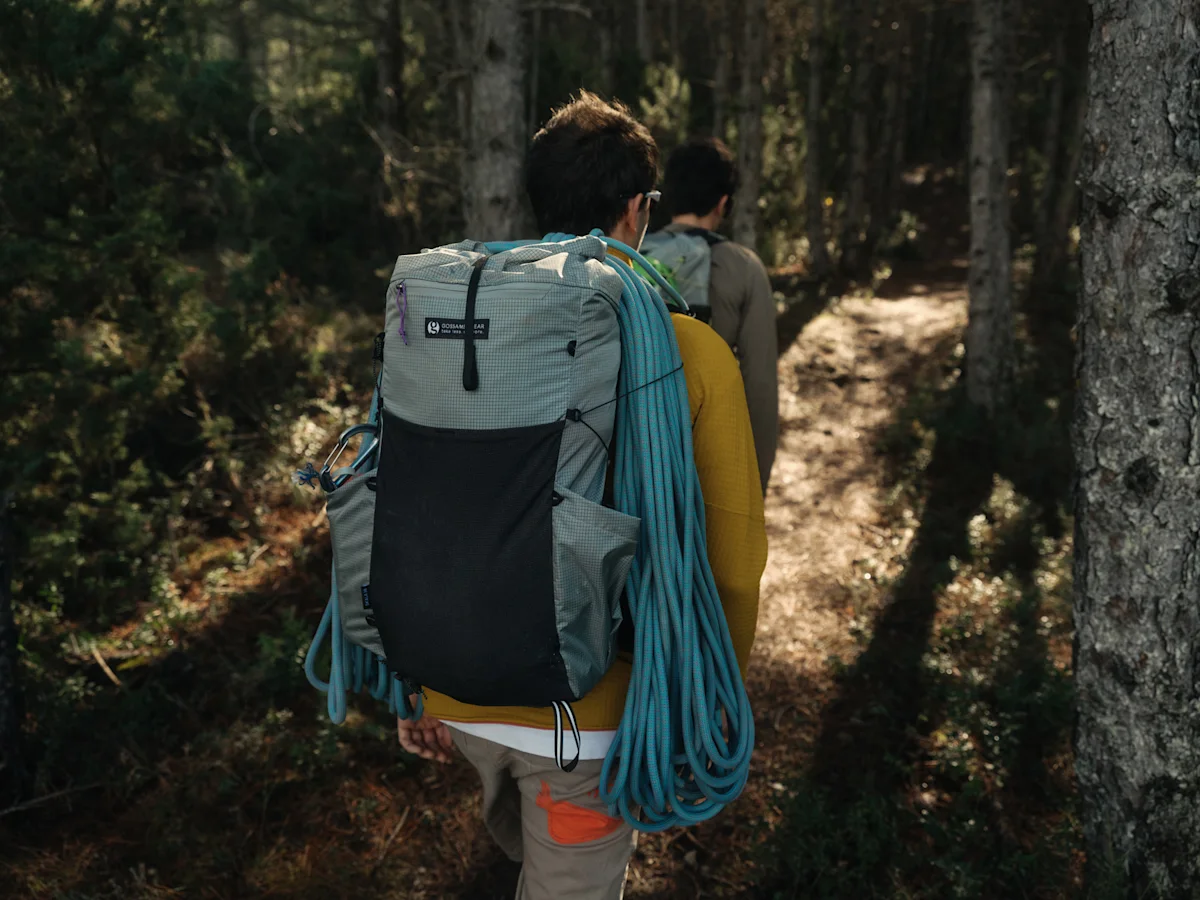
Gossamer Gear needed to meet customers at a different place in their ultralight journey, not just the beginning. They tested new waters in Spring 2025 with the Type II Collection. Type II focuses on shorter, everyday missions versus long-distance hikes. "People are looking for less expensive, shorter bites of adventure, right? Whether that's with their gear or their recreation," Schmid said. The four Type II bags, from the 38-liter Skala to the small Piku Sling, are a far cry from the expected Gossamer Gear style. There’s nothing inherently new about the gridstop nylon fabric or roll-top designs, yet the details were executed so well that the functionality surpasses more established ultralight packs of similar design.

Schmid called Type II a market test—Gossamer Gear wanted to find out if the company's existing fans would be open to a new direction, and if they could draw new customers too. “In specialty retail shops, we've seen a huge reaction where this stuff just really stands out on the wall. It has a silhouette similar to a mainstream pack. It doesn't have your traditional Gossamer over-the-top closure, but something about it, whether it's the woven label or just the material choices we made, at all of our specialty retail partners, they become our best-selling products,” he said.

gossamer-gear-Skala-rope

The Skala 15 | Courtesy Gossamer Gear

Making Noise with Alchemy

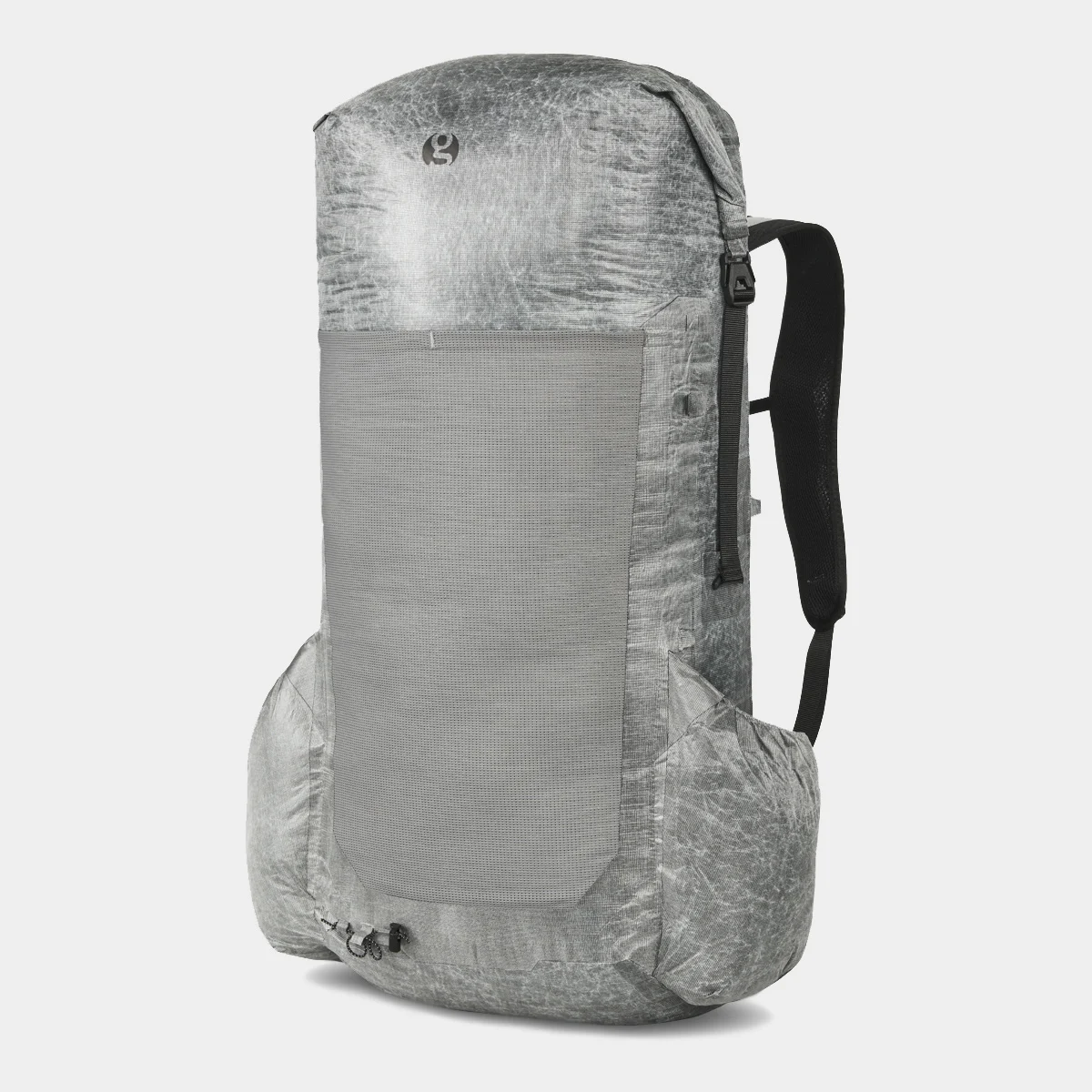
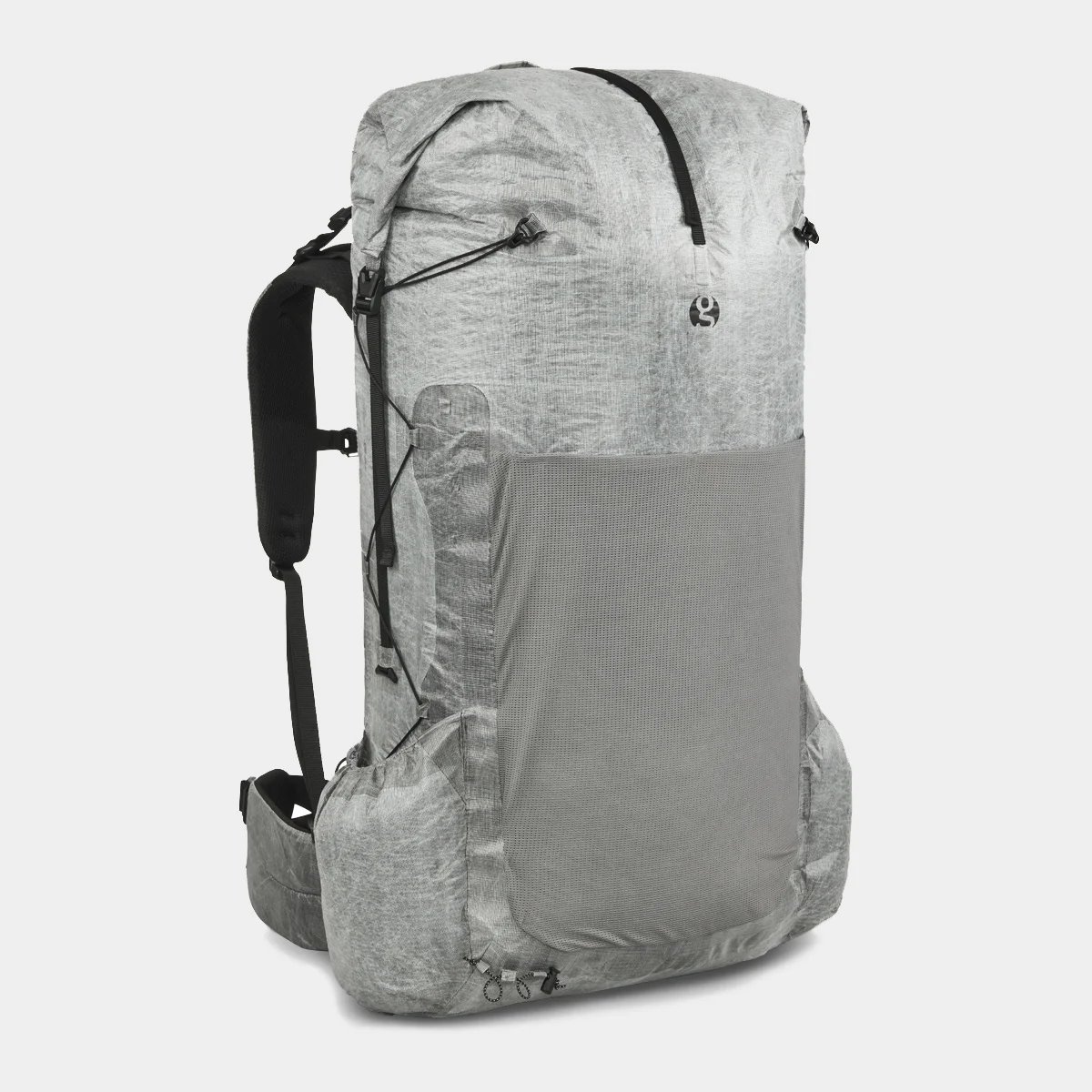
If Type II was testing the water, then the Alchemy Collection was Gossamer Gear’s full send into a new design and creative era. Launched in December 2025, Alchemy and its edgier campaign featuring direct flash photography was very of the moment for a brand that usually eschews trends. The collection consisted of two new ultralight packs and an updated version of the Murmur, one of Van Peski’s original packs, all made with a super-lightweight fused polyethylene fabric called Aluula Graflyte.

“The success of launching this collection isn't going to be based on revenue or sales. It's can we make enough noise in this space to bring our name back up to the top of any kind of UL discussion,” Josh Garza, Gossamer Gear's director of brand marketing, told me.

The collection definitely grabbed that attention—from other brands and consumers alike. On Reddit, Zpacks chimed in to naysay, Durston provided his expert context on Aluula, and the fanboys ogled, complained, and bemoaned missing a temporary pricing error on the Murmur that had the new pack selling for $185 instead of the full $350. Internally, some old-school customers complained to Gossamer Gear about the audacity of featuring a woman with tattoos in the campaign, and even Van Peski was shocked by the prices. The industry has changed a lot since the days of the $70 G4.

Alchemy is highly attuned to a very in-the-know audience, catering to experienced hikers with a taste for cutting edge materials. But it’s also aspirational for those at other points in their ultralight journey. For a time, Aluula was only available in Durston Gear packs, but it has recently popped up in Black Diamond's Vapor climbing helmet, Nashville Pack's Cutaway bag, Arc’teryx's Alpha SV alpine pack, and Mountain Hardwear's new ultralight Alakazam pack.

Still, no other company has pushed it the way that Alchemy has, with other brands striving for balance over achieving the absolute lightest weight possible. Alchemy’s V52 Aluula is so thin it’s nearly translucent yet still retains the strength that the material is known for. The Alchemy bags' seams are also welded with heat to reduce weight and add waterproofness, making the three packs wholly unique within the limited-yet-growing Aluula lineup.

“Alchemy genuinely felt different, right? Because we started with Aluula, and we ultimately decided if we can't bond this thing with heat, then we're not going to do it,” Garza explained. “Because there are other brands out there sewing Aluula and we weren't just going to jump on Aluula because other brands were doing it. We wanted to find a different way of manufacturing.”

It couldn’t have been pulled off in the same way by anyone else—Gossamer Gear's reputation and manufacturing connections are a testament to the brand's history and impact on shaping ultralight culture. Aluula was only on the table because of their legendary generational design team and connections at Arc’teryx. Gossamer Gear has grown beyond its cottage company origins over the years but it still isn't so large that it's slow to change direction. It's the sweet spot of being established enough to have access but nimble enough to take risks. “The beauty of being this size company is we can make decisions on a smaller scale, but also have the resources to do things that a garage operation could not,” Schmid said.

Though not exactly a rebrand, the Alchemy Collection has been a jolt of electricity to a company that seemed to have drifted away from its progressive roots. The 40L Mirage is clearly aiming for fans of the beloved Durston Kakwa while offering tantalizing weight savings. The truest ultralight pack from the collection, the 36-liter Murmur, brings Gossamer Gear full circle to Van Peski’s initial days, when his early Murmur was accused of being too light and of using too thin of materials.

“We appreciate people taking the risk with us," Schmid said. "We can stand behind it, and I don't think anybody else has access to the manufacturing or the experience to put it out in such a polished way."

gossamer-gear-alchemy-Murmur-36

The Murmur 36 | Courtesy Gossamer Gear

gossamer-gear-Mirage-40

The Mirage 40 | Courtesy Gossamer Gear

What's Next for Gossamer Gear?

With these new collections, Gossamer Gear managed to make a fresh direction feel more like a homecoming. Ultralight backpacking started as a revolutionary approach to wilderness that generated ardent fans and skeptical naysayers. This year, the supporters spoke loudest—on Reddit and with their wallets—about Type II and Alchemy. Currently, all of the Alchemy products are sold out, but you can still get your hands on Type II bags online direct from the brand or from Garage Grown Gear, and at smaller retailers like Santa Fe's Tourist.

Noise may have been part of the intent behind the collections, but Gossamer Gear isn't abandoning its legacy, or its core customers. "We can flex our design muscle and show you what the tip of the spear can be,” Schmid said. “But we want to make sure that we're still nurturing that existing Gossamer Gear customer.”

For now, the best-selling options that make up the bulk of the company's sales aren’t going anywhere. For 2026, they’re turning their attention back to their core line and hinted at updates for its mainstay ultralight shelters, The One and The Two. Schmid and Garza were tight-lipped about what kind of updates to expect, but like Gossamer Gear's packs were, the One and Two are due for a shake up.

The Type II and Alchemy Collections reminded us that Gossamer Gear is still willing to push boundaries, not simply maintain them, and that the company shouldn’t be underestimated. An established brand can be known as reliable and cutting-edge at the same time.

"We need to drop 'backpack' when we say we're an ultralight backpack brand," said Garza. "Let's just be an ultralight brand."

Check out this ode to the UL lifestyle from Graham Hiemstra, FM's founder and UL convert.