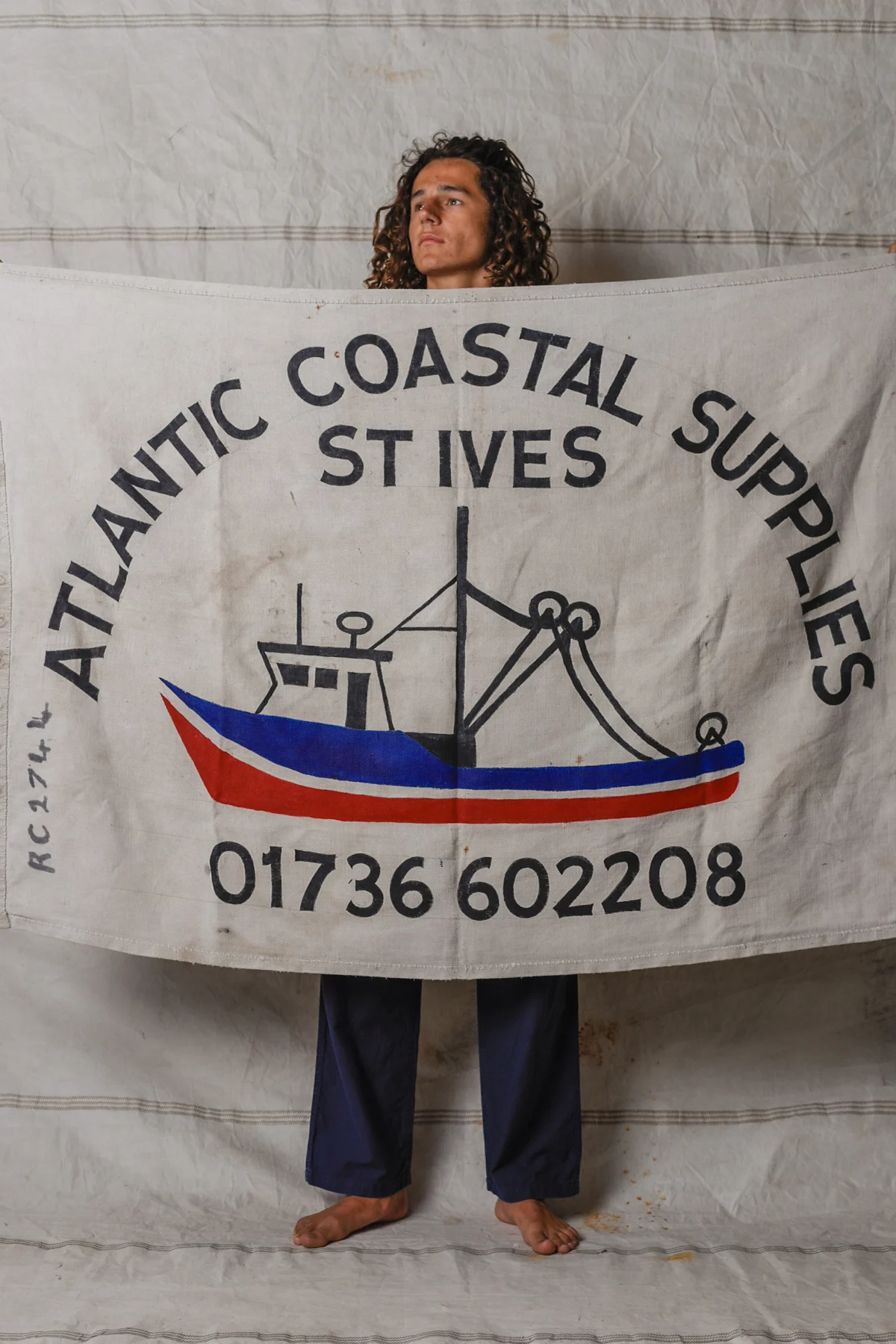
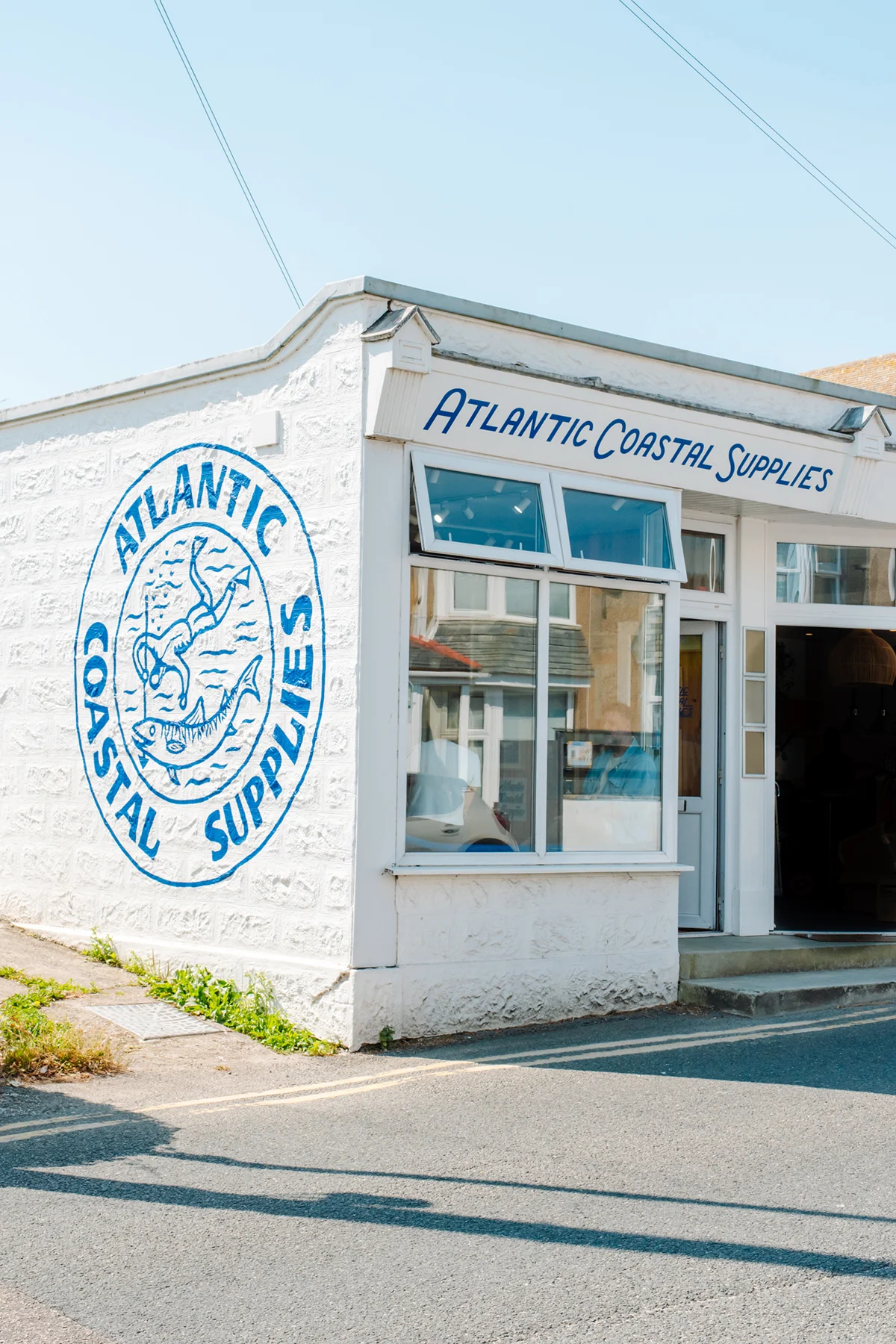
Approximately 4,450 miles separate Florida's Gulf Coast from Cornwall, the county at the southwest extent of England. Yet Atlantic Coastal Supplies founder Shawn Lowry grew up between the two, and they're where he calls home today. Launched in 2023, his company pays homage to the optimism of a Floridian beach town met with British artisanship. The brand has since become an eclectic maritime collection of color-blocked nylon gear, heavyweight American-made staples, and salvaged sailcloth accessories, all influenced by the Atlantic. As Lowry tells us, "People say, 'Well, it's in the UK, but it kind of feels American.'"
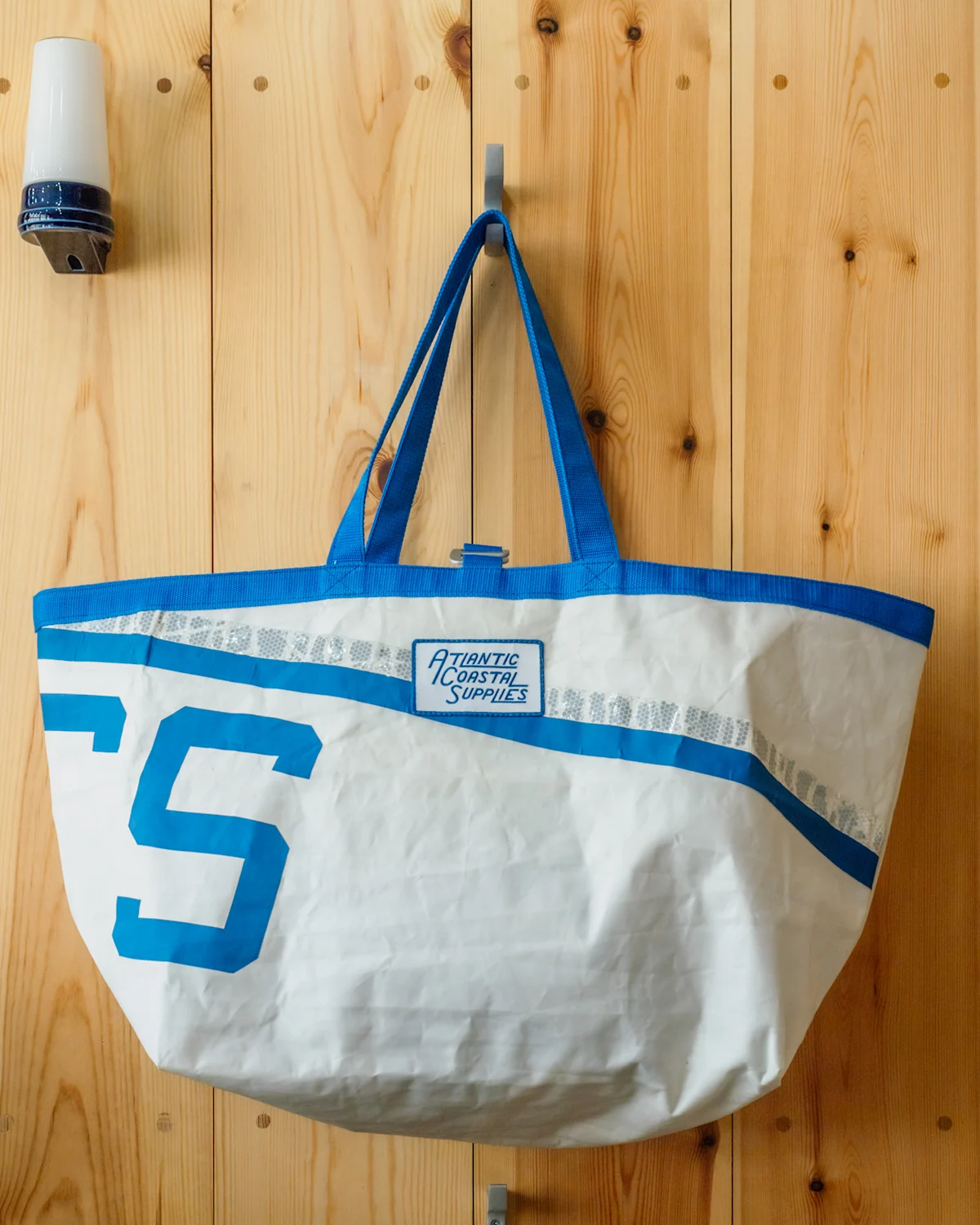
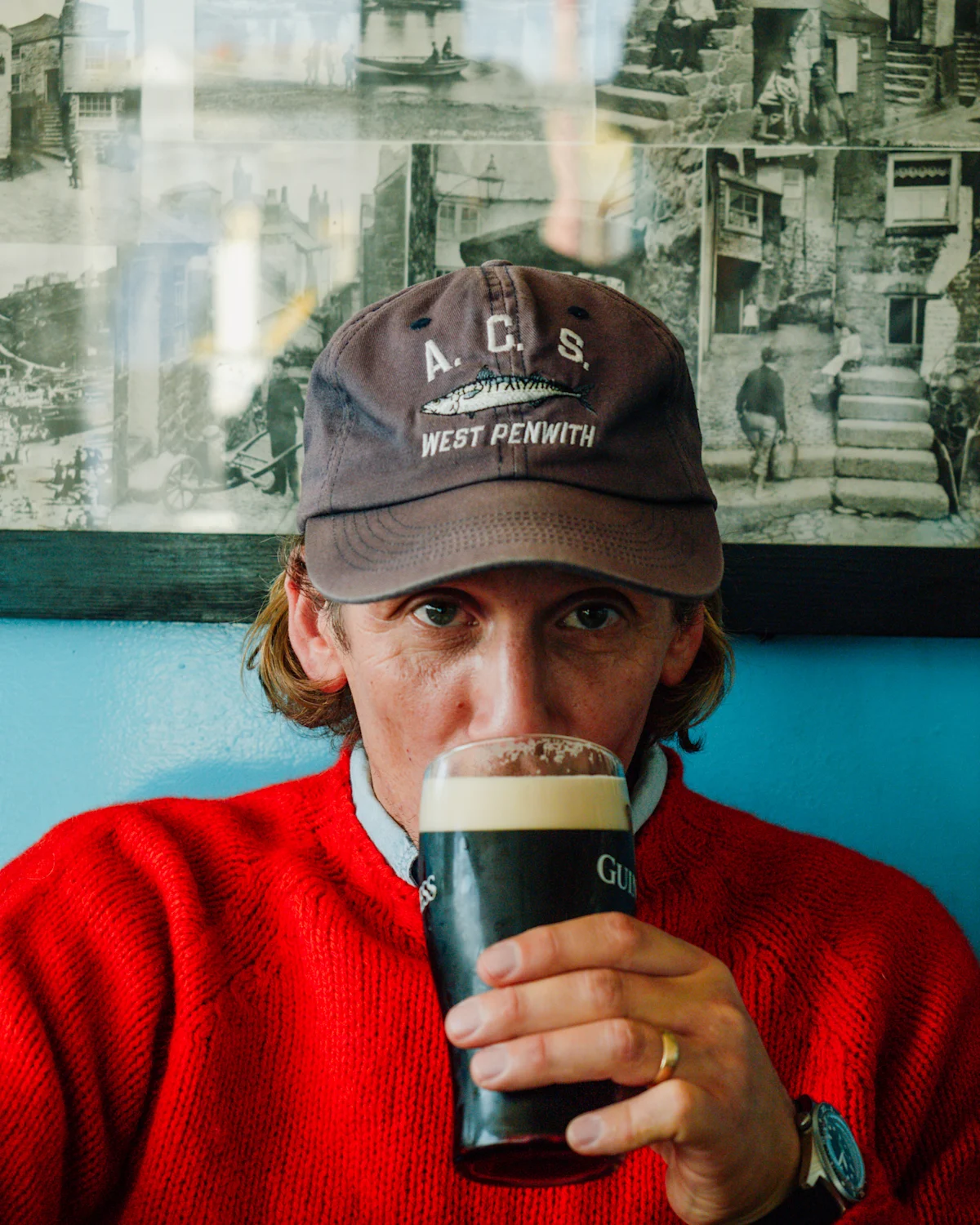
It certainly does. When I asked Lowry where the name came from, his answer was straightforward: "We make supplies for life on the Atlantic Coast. That's it." The mindset has been bait for some of menswear's most influential style tastemakers and lured a collaboration with a legacy mall brand. People have gravitated toward Atlantic Coastal Supplies' camo mackerel hats, beach totes crafted from salvaged Dacron sails, and heavyweight Made-in-USA thermals. Nearly everything comes in bold primary colors, a deliberate choice. A chambray shirt paired with a red beanie nods to French naval officer and oceanographer Jacques Cousteau, while yellow appears throughout the collection as a subtle reference to Yellow Submarine. "Because so much of this brand is about an idea or a memory," Lowry says, "I just want things to feel right."
For a brand still in its early years, Atlantic Coastal Supplies has a clear sense of identity, and Lowry has no plans to slow its evolution. I spoke with him via Zoom about how his time at Double RL as a concept designer shaped his approach to brand world-building, his favorite 13th- and 14th-century pubs, his 20-volume collection of undersea encyclopedias, and more.
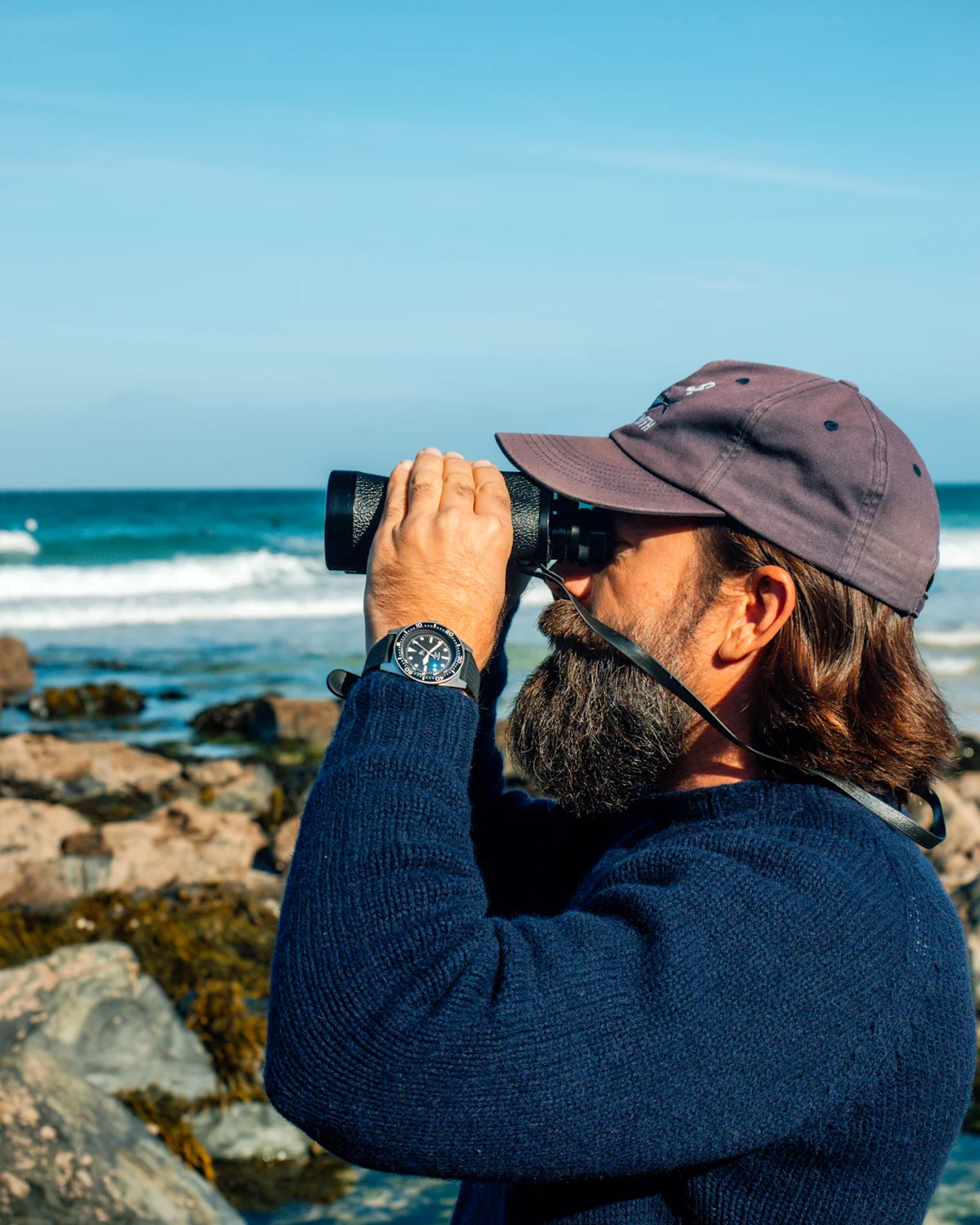
Shawn Lowry
What does Atlantic Coastal Supplies mean, and how did the name come about?
There's a thread that runs through the whole thing, and it's really about simplicity—stripping things back and recognizing when enough is enough. I just want to make functional products that help people enjoy life by the coast, and I think the name came out of that. It's literally just that. There's nothing complicated about it. It's very straightforward.
You grew up in Florida and eventually made your way to England. How has that move shaped both your life and the brand?
I grew up in a little beach town on the Gulf, and most of it had been built in the '60s. It felt really optimistic, but there was also this sense of accessibility. Everybody kind of had this little life by the ocean. There were all these small bungalows with terrazzo floors and jalousie windows. They were built for Florida's natural airflow before air conditioning became standard, and they were affordable.
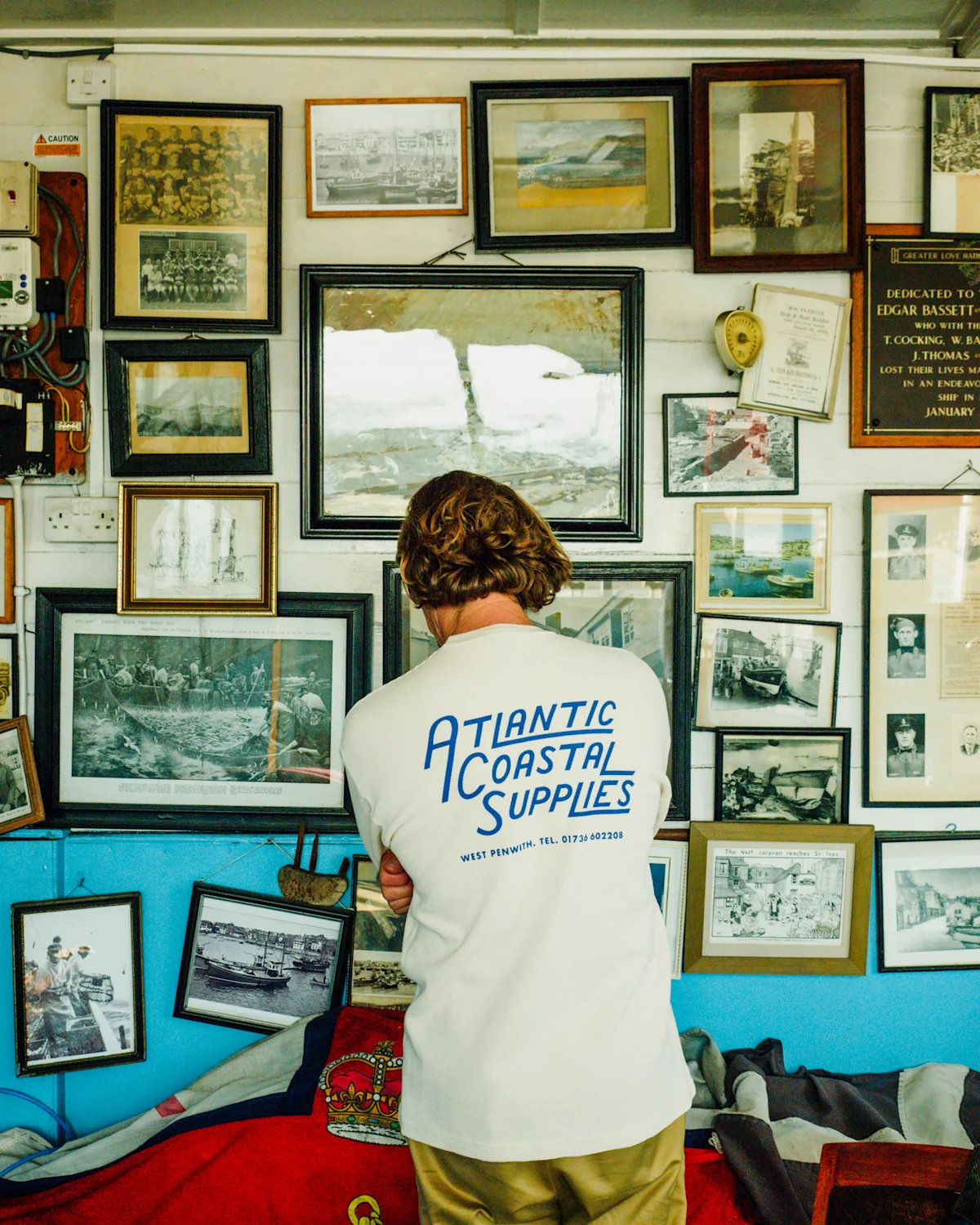
It wasn't expensive to live there if you could string some work together. And I think there's a tension between that and where we are now. Here [in the UK], there are prehistoric ruins a mile away. There's all this history and landscape, and this huge tradition of art and craft. I think both of those influences are present in the brand. There's this mid-century optimism that meets something more handmade and rooted in history. It sort of spans the Atlantic. You end up with things like shooting colorful, color-blocked nylon products in a sail loft that's 400 years old.
Before starting ACS, you were the concept designer for Double RL. What did that role teach you about building a world around a brand rather than just making products?
First, the product has to be really good. But I also think that today the world is so visual. It helps create a place where you and the customer can agree on something, right? You can connect over shared interests or an idea about how you want to live your life.
Ralph was kind of the same way. And I think working that way during the design process is also a really useful filter. You can quickly say, "Well, that guy wouldn't have owned this," or "That guy wouldn't have worn that." That kind of world-building is valuable both internally and externally. It's easy to think, "This is what the shop looks like," or "This is what the photo shoot feels like."
The brand-building really helps me on the back end of the design process, giving me a way to edit and filter. And then, I think you can convey the idea so much more easily because people just look at it and go, "Oh, I get it." You don't have to explain as much.